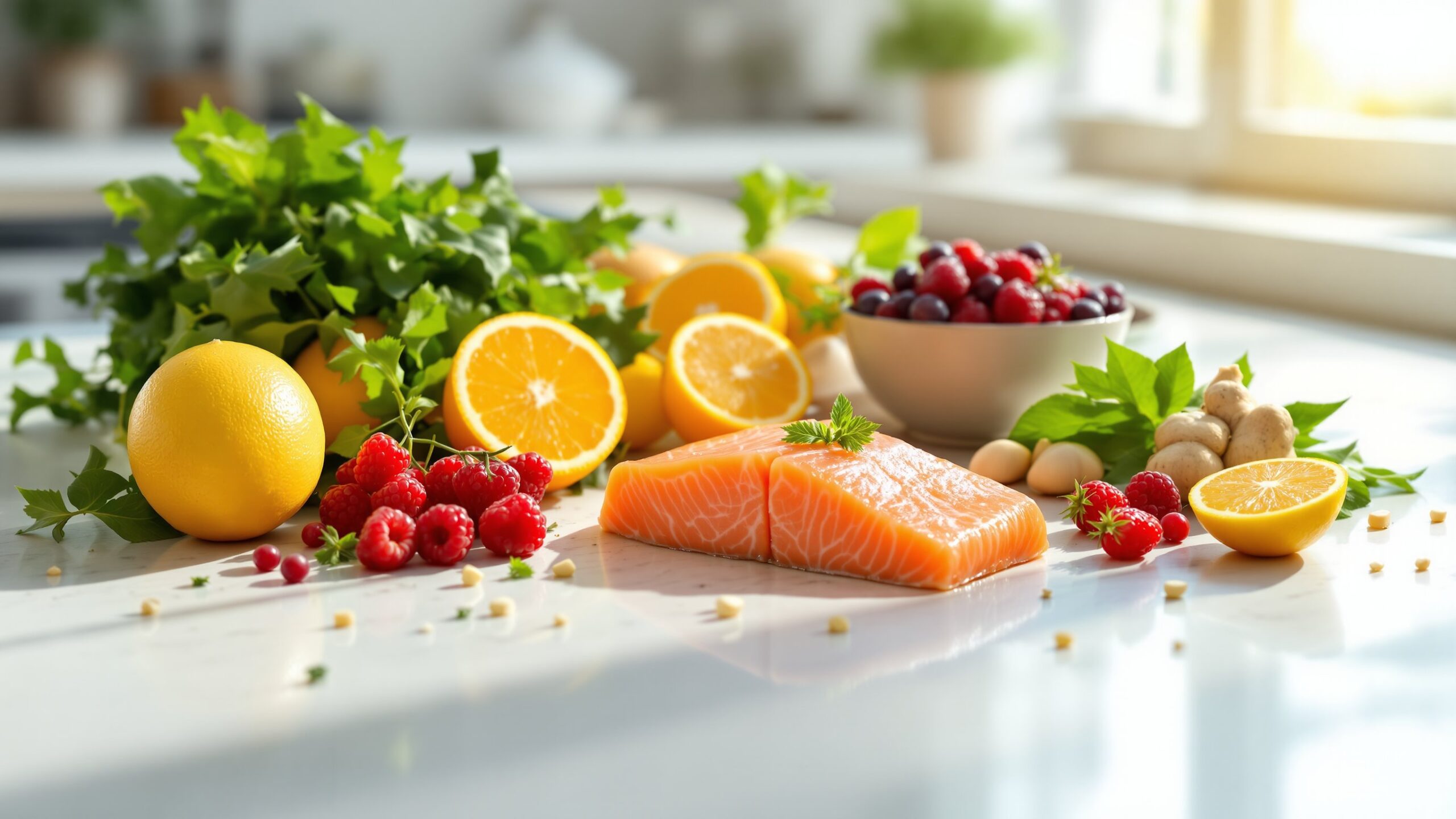
The immune system is one of the most complex and fascinating systems in the human body. It operates quietly, constantly defending against viruses, bacteria, and environmental threats while maintaining internal balance. While genetics, sleep, and lifestyle all play critical roles in immune health, one of the most powerful tools you have is sitting on your plate every day. Food is not just fuel—it is information for your cells, a source of protection, and a strategic ally in strengthening your body’s defenses. Scientific research continues to confirm what traditional wisdom has long suggested: certain foods contain compounds that actively support immune function. These foods deliver essential vitamins, minerals, antioxidants, and bioactive compounds that enhance immune cell activity, reduce inflammation, and help the body respond more effectively to infections. Understanding which foods provide these benefits—and why—can transform the way you approach nutrition. This guide explores the best foods for immune system support backed by science, breaking down how they work and how you can incorporate them into your daily routine in a way that is both practical and enjoyable.
A: There is no single best food; the strongest support comes from a varied, nutrient-dense diet.
A: Vitamin C supports normal immune function, but it works best as part of overall nutrition rather than a cure-all.
A: Yes, for many people they can support gut health, which is closely linked to immune function.
A: Garlic contains beneficial plant compounds and can be a smart part of an immune-supportive eating pattern.
A: Zinc is essential for immune health, and foods like beans, seeds, seafood, dairy, and meat can help provide it.
A: No; diet helps support the immune system, but it cannot guarantee illness prevention.
A: Food is usually the best foundation because it delivers multiple nutrients together, along with fiber and other beneficial compounds.
A: A diet high in added sugar can crowd out more nourishing foods and may work against overall wellness goals.
A: Think in terms of long-term support, not instant results—consistency matters more than speed.
A: Build meals around colorful produce, protein, fiber-rich foods, healthy fats, and fermented foods when tolerated.
The Science Behind Immunity and Nutrition
The immune system relies on a delicate balance of nutrients to function optimally. Key players include white blood cells, antibodies, cytokines, and physical barriers like the skin and gut lining. Each of these components depends on specific nutrients to operate effectively.
For example, vitamin C supports the production and function of white blood cells, while zinc plays a role in immune cell signaling and inflammation control. Vitamin D helps regulate immune responses, ensuring the body does not overreact or underperform. Antioxidants protect immune cells from oxidative stress, and probiotics support gut health, which is closely tied to immune function.
What makes nutrition so powerful is its ability to influence multiple pathways simultaneously. A single meal rich in whole, nutrient-dense foods can provide a spectrum of compounds that work together synergistically. This is why focusing on whole foods rather than isolated supplements often leads to more sustainable and effective results.
Citrus Fruits: Vitamin C Powerhouses
Citrus fruits such as oranges, lemons, grapefruits, and limes are among the most well-known immune-supporting foods, and for good reason. They are rich in vitamin C, a nutrient that has been extensively studied for its role in immune function.
Vitamin C contributes to the production of white blood cells, particularly lymphocytes and phagocytes, which help protect the body against infections. It also enhances the skin’s barrier function and acts as a potent antioxidant, neutralizing harmful free radicals.
Beyond their nutritional value, citrus fruits are incredibly versatile. A squeeze of lemon in water, a fresh orange as a snack, or a grapefruit added to breakfast can easily boost your daily intake. Consistency is key, as the body does not store vitamin C in large amounts, making regular consumption essential.
Leafy Greens: Nutrient-Dense Immune Support
Dark leafy greens such as spinach, kale, and Swiss chard are nutritional powerhouses packed with vitamins A, C, and E, as well as fiber and antioxidants. These nutrients collectively support immune function in multiple ways.
Vitamin A plays a crucial role in maintaining the integrity of mucosal barriers, such as those in the respiratory and digestive tracts. Vitamin E acts as an antioxidant that supports immune cell function, while fiber promotes a healthy gut microbiome, which is deeply connected to immune health.
One of the most effective ways to maximize the benefits of leafy greens is to consume them lightly cooked. This can enhance the absorption of certain nutrients while preserving their overall nutritional profile. Whether blended into smoothies, sautéed as a side dish, or incorporated into soups, leafy greens offer a simple yet powerful way to support your immune system.
Garlic: Nature’s Antimicrobial Ally
Garlic has been used for centuries for its medicinal properties, and modern science continues to validate its benefits. It contains sulfur compounds such as allicin, which have been shown to have antimicrobial and immune-enhancing effects.
Research suggests that garlic can stimulate immune cells and enhance their response to pathogens. It may also help reduce the severity and duration of common illnesses, making it a valuable addition to a preventive diet.
The key to unlocking garlic’s benefits lies in how it is prepared. Crushing or chopping garlic and allowing it to sit for a few minutes before cooking activates its beneficial compounds. Incorporating garlic into sauces, dressings, and roasted dishes can add both flavor and functional benefits.
Ginger: Anti-Inflammatory and Immune-Boosting
Ginger is another ancient remedy that has gained scientific recognition for its immune-supporting properties. It contains bioactive compounds such as gingerol, which exhibit strong anti-inflammatory and antioxidant effects.
Chronic inflammation can weaken the immune system, making it less effective at responding to threats. By reducing inflammation, ginger helps create an environment where the immune system can function more efficiently.
Ginger also supports digestive health, which is closely linked to immunity. A healthy digestive system ensures proper nutrient absorption and supports a balanced gut microbiome. Whether consumed as tea, added to smoothies, or used in cooking, ginger is a versatile and impactful addition to your diet.
Yogurt and Fermented Foods: Gut Health and Immunity
A significant portion of the immune system resides in the gut, making gut health a critical factor in overall immunity. Yogurt and other fermented foods such as kefir, sauerkraut, kimchi, and miso are rich in probiotics—beneficial bacteria that support a healthy gut microbiome.
Probiotics help maintain a balanced microbial environment, preventing the overgrowth of harmful bacteria and supporting immune signaling. They also enhance the production of certain immune cells and improve the body’s response to infections.
When choosing yogurt, it is important to look for options that contain live and active cultures and minimal added sugars. Incorporating a variety of fermented foods into your diet can provide a diverse range of beneficial bacteria, further strengthening your immune system.
Nuts and Seeds: Essential Nutrients for Defense
Nuts and seeds, including almonds, sunflower seeds, and walnuts, are rich in essential nutrients such as vitamin E, zinc, and healthy fats. These nutrients play vital roles in supporting immune function.
Vitamin E acts as a powerful antioxidant that protects immune cells from damage, while zinc is essential for the development and function of immune cells. Healthy fats, particularly omega-3 fatty acids, help regulate inflammation and support overall immune balance.
A small handful of nuts or seeds each day can provide a concentrated source of these nutrients. They are easy to incorporate into meals, whether sprinkled over salads, blended into smoothies, or enjoyed as a snack.
Berries: Antioxidant-Rich Superfoods
Berries such as blueberries, strawberries, and blackberries are packed with antioxidants, particularly flavonoids. These compounds help protect cells from oxidative stress and support immune function.
Flavonoids have been shown to enhance the immune response by improving communication between cells and reducing inflammation. They may also play a role in protecting against respiratory infections.
Berries are not only nutritious but also incredibly versatile. They can be added to breakfast bowls, desserts, or enjoyed on their own. Their natural sweetness makes them a satisfying and health-promoting choice.
Fatty Fish: Omega-3s and Immune Regulation
Fatty fish such as salmon, mackerel, and sardines are rich in omega-3 fatty acids, which play a crucial role in regulating inflammation and supporting immune function. Omega-3s help maintain the balance between pro-inflammatory and anti-inflammatory responses, ensuring that the immune system reacts appropriately to threats without causing excessive damage to the body.
These fish are also a valuable source of vitamin D, a nutrient that is essential for immune regulation. Regular consumption of fatty fish can provide a dual benefit, supporting both inflammation control and immune function.
Turmeric: The Golden Immune Booster
Turmeric contains curcumin, a compound known for its powerful anti-inflammatory and antioxidant properties. Curcumin has been studied for its ability to modulate immune responses and enhance the activity of immune cells.
While turmeric alone is beneficial, its absorption is significantly enhanced when combined with black pepper, which contains piperine. This combination allows the body to utilize curcumin more effectively.
Incorporating turmeric into soups, stews, or warm beverages can provide a comforting and health-promoting addition to your diet.
Green Tea: A Gentle but Powerful Defender
Green tea is rich in antioxidants known as catechins, particularly epigallocatechin gallate (EGCG). These compounds have been shown to enhance immune function and protect against oxidative stress. Green tea also contains L-theanine, an amino acid that supports the production of compounds involved in immune response. Together, these components create a beverage that is both calming and beneficial for immune health. Replacing sugary drinks with green tea can be a simple yet impactful change that supports overall wellness.
Sweet Potatoes: Vitamin A for Barrier Protection
Sweet potatoes are an excellent source of beta-carotene, which the body converts into vitamin A. This nutrient is essential for maintaining the health of the skin and mucosal barriers, which serve as the body’s first line of defense against pathogens.
By supporting these physical barriers, sweet potatoes help prevent harmful microorganisms from entering the body. They also provide fiber and other nutrients that contribute to overall health. Roasting, baking, or mashing sweet potatoes can bring out their natural sweetness and make them a satisfying addition to meals.
Mushrooms: Immune-Modulating Compounds
Certain types of mushrooms, such as shiitake, maitake, and reishi, contain compounds that have been shown to support immune function. These include beta-glucans, which can enhance the activity of immune cells. Mushrooms also provide essential nutrients such as selenium and B vitamins, which contribute to overall immune health. Including a variety of mushrooms in your diet can offer both nutritional and functional benefits.
Building an Immune-Supportive Diet
While individual foods offer specific benefits, the true power of nutrition lies in the overall pattern of your diet. A balanced approach that includes a variety of whole, minimally processed foods provides a comprehensive range of nutrients that work together to support immune function.
Focusing on colorful fruits and vegetables, high-quality proteins, healthy fats, and fermented foods can create a strong foundation for immune health. Hydration, regular meals, and mindful eating also play important roles in supporting your body’s natural defenses.
Consistency is more important than perfection. Small, sustainable changes can have a significant impact over time, helping you build a diet that supports both immediate and long-term health.
Strengthening Immunity Through Everyday Choices
The immune system is not something that can be boosted overnight, but it can be supported through consistent, thoughtful choices. The foods you eat each day provide the building blocks for your body’s defense system, influencing how effectively it can respond to challenges.
By incorporating scientifically backed immune-supporting foods into your routine, you can create a lifestyle that promotes resilience, vitality, and overall well-being. From citrus fruits and leafy greens to fermented foods and fatty fish, each choice contributes to a larger picture of health.
In a world where health is more important than ever, understanding the connection between nutrition and immunity empowers you to take control of your well-being. The journey begins with what you put on your plate—and the benefits extend far beyond the table.