


What Is Functional Fitness and Why It Matters More Than Traditional Workouts
Functional fitness trains your body for real life, not just the gym. From lifting groceries to boosting athletic performance, this guide reveals why movement-based training is reshaping modern fitness and transforming everyday strength, mobility, and resilience.
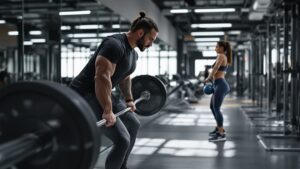
Functional Fitness vs Traditional Strength Training: Which Is Better?
Discover the real differences between functional fitness and traditional strength training—and which one delivers the best results for strength, mobility, weight loss, and daily performance. Learn how each approach shapes your body, boosts confidence, and enhances real-life movement, plus why combining both could be the ultimate fitness strategy.

Functional Fitness Exercises You Can Do at Home Without Equipment
Transform your body and daily performance with functional fitness exercises you can do anywhere, no equipment required. From squats to planks and dynamic full-body movements, this guide shows how to build strength, mobility, and endurance using only your body weight. Perfect for beginners and experienced fitness enthusiasts alike.