Best Meditation Cushions for Beginners Compared
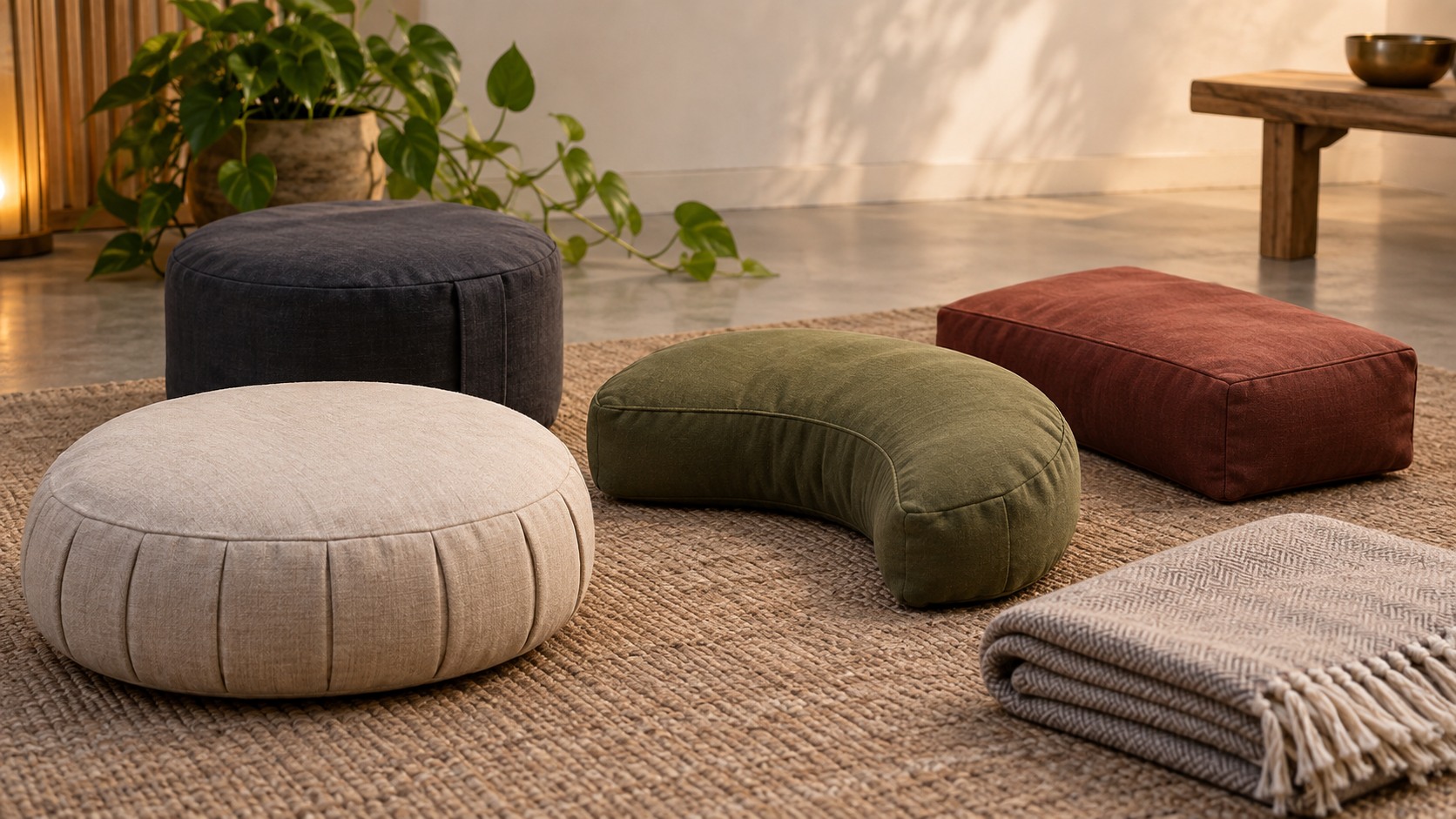
The best meditation cushion for beginners is the one that makes sitting feel steady enough to repeat. New meditators often focus on shape or style first, but height, firmness, knee support, hip comfort, and whether floor sitting is realistic matter much more for building a practice.
A: Look for a practical shift in how beginner meditation cushions affects daily comfort, choices, or consistency.
A: Choose the smallest useful version, keep the setting simple, and avoid changing too many variables at once.
A: Treat that as a fit problem. Reduce the step, change the timing, or remove one source of friction.
A: Use a short review window that is long enough to see a pattern but short enough to change course if it is not helping.
A: Clear limits, honest body feedback, realistic expectations, and professional input when health history or symptoms make the situation complex.
A: Spend more only when the added cost clearly improves access, safety, durability, guidance, or consistency.
A: Simplify when the routine needs too much setup, creates stress, or cannot be explained in one clear reason.
A: Measure progress by function, steadiness, confidence, recovery, or decision quality rather than a single dramatic outcome.
A: Avoid pressure-based choices, cure-all promises, and plans that ask you to ignore pain, distress, or medical concerns.
A: Sustainability comes from matching the step to real life, reviewing it honestly, and allowing the plan to change as needs change.
Start With the Real-Life Reason for beginner meditation cushions
The best way to understand beginner meditation cushions is to begin with the reader’s actual reason for caring. For readers comparing first meditation cushions for posture, comfort, and routine, the useful question is not whether the idea sounds healthy in theory; it is whether it solves a problem that shows up in normal routines, energy, comfort, confidence, or follow-through.
A beginner comparison should reduce confusion between cushion shapes and actual sitting comfort. That angle keeps the article practical because it ties beginner meditation cushions to a reader’s daily setting instead of presenting it as another wellness slogan. A good plan should make the next choice feel clearer, not simply add more information to manage.
Readers also need permission to be selective. If beginner meditation cushions does not connect to a real goal, it becomes one more task competing for attention. The strongest starting point is a clear reason, a realistic setting, and a simple way to notice whether the effort is earning its place.
What Makes beginner meditation cushions Useful in Practice
Usefulness shows up when beginner meditation cushions changes something measurable in ordinary life. That might mean fewer abandoned routines, better recovery between efforts, less confusion when comparing options, or a safer way to test whether the approach fits. The strongest guidance gives readers a way to judge progress without needing perfect conditions.
Numbness or sharp pain means the setup needs changing. That caution matters because a reader can like the idea and still need a smaller version, a different schedule, or professional guidance. Editorially, the goal is to make the advice usable without making it sound universal.
A useful approach should be easy to describe in plain language. If the benefit depends on vague promises or constant motivation, the reader may struggle to apply it. When the value is concrete, it is easier to repeat the right step and ignore the parts that do not fit.
Reading Early Results From beginner meditation cushions
Early results from beginner meditation cushions can be encouraging, confusing, or uneven. A good first signal is not dramatic change; it is a pattern that makes the reader more capable, steadier, or better informed. Readers should look for changes in comfort, consistency, recovery, mood, attention, or confidence depending on the topic.
The best starter option supports repeat practice rather than a perfect pose. This helps separate meaningful progress from novelty. If a result fades quickly, creates new strain, or depends on an unrealistic amount of effort, that is information the plan needs to be adjusted rather than proof that the reader failed.
The first few attempts should be treated as feedback. A strong plan gives readers something to observe, such as timing, intensity, friction, relief, confidence, or follow-through. That makes early results less emotional and more useful for the next decision.
Fit Questions for beginner meditation cushions
Fit is where many wellness choices succeed or fall apart. A reader needs to know whether beginner meditation cushions matches their body, budget, time, environment, goals, and tolerance for change. Advice that ignores those constraints may be inspiring for a moment, but it is harder to repeat.
Very soft cushions can collapse under the pelvis. The right fit usually leaves a person with more clarity and less pressure. It should also leave room for a reader to choose a gentler option, seek help, or stop using an approach that is not serving them.
The fit question also protects readers from comparison. Someone else’s ideal version may be too expensive, intense, time-consuming, or unnecessary. A well-fit version may look modest from the outside while still doing exactly what the reader needs.
Common Misreads About beginner meditation cushions
One common misread is assuming that more intensity, more products, or more rules automatically means better results. With beginner meditation cushions, the better question is what level of effort produces a useful response without crowding out recovery, safety, or daily responsibilities.
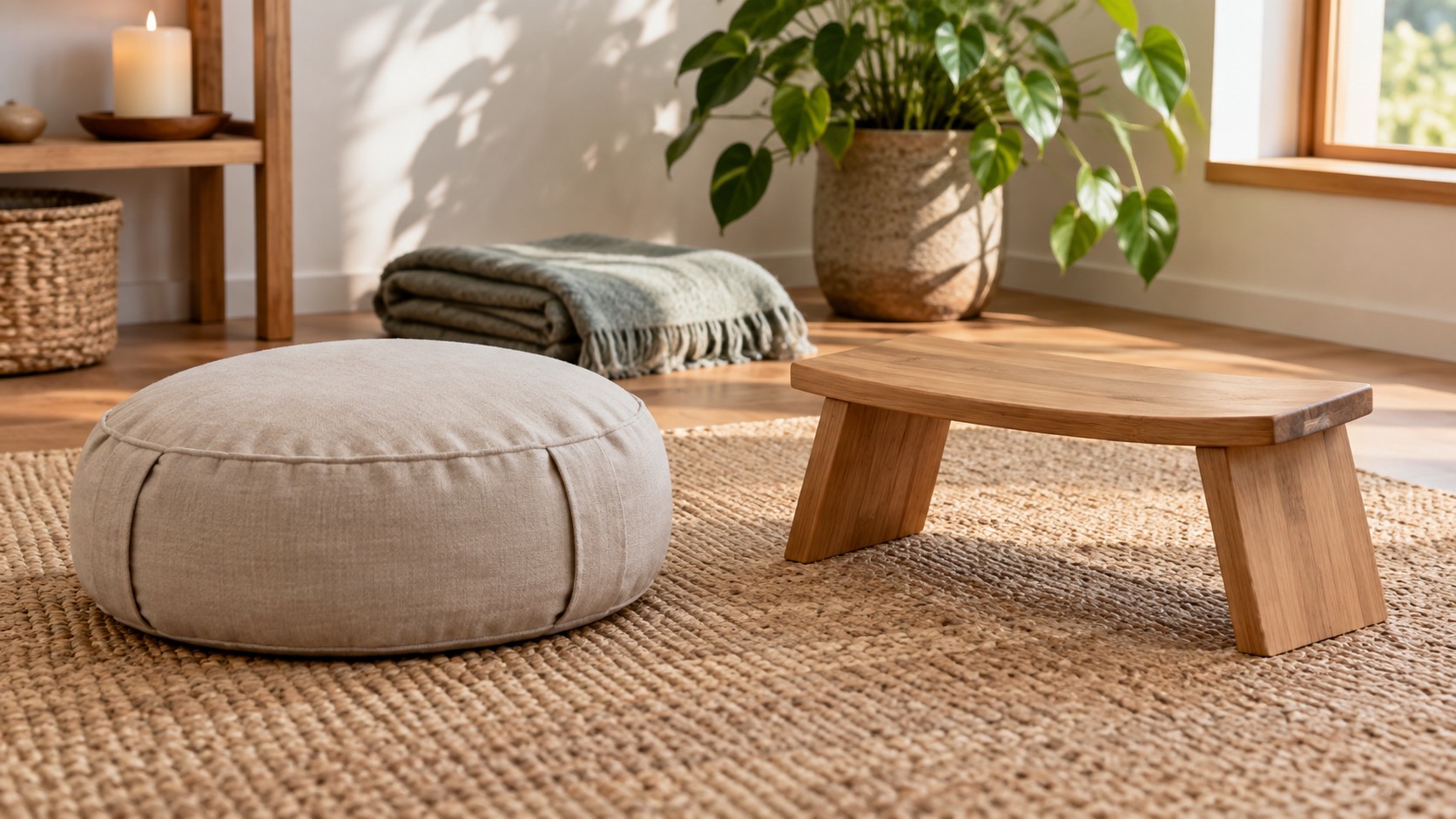
Chair and blanket alternatives belong in the decision because floor sitting is optional. A better alternative is to choose one clear experiment, define what success would look like, and review it honestly. That kind of approach gives the reader a way to learn from the experience instead of chasing a vague ideal.
Another misread is treating setbacks as a sign to abandon the entire idea. Often the issue is dose, timing, environment, or support. Better alternatives come from adjusting one variable at a time so the reader can see what actually changed.
Beginner Steps for beginner meditation cushions
Beginners benefit from a first step that is specific enough to do and small enough to repeat. For beginner meditation cushions, that usually means choosing the least complicated version that still teaches the reader something. The goal is early confidence, not a perfect routine.
Back or hip conditions may require professional guidance. A manageable start also makes it easier to notice signals from the body and mind. If the first attempt is too ambitious, the reader may only learn that the plan was too much, not whether the approach itself had value.
A good beginner step should have a clear stopping point. Readers should know what they are trying, when they will review it, and what would make them scale up, scale down, or pause. That structure keeps the first step from becoming open-ended pressure.
Safety Boundaries for beginner meditation cushions
Safety is not a footnote; it shapes how beginner meditation cushions should be used. Readers need to consider symptoms, injuries, medications, mental health needs, pregnancy, chronic conditions, and any situation where a general wellness suggestion may not be enough.
A practical safety plan uses clear boundaries. If discomfort escalates, daily function worsens, or the reader feels pressured to ignore warning signs, the approach needs to change. Professional guidance is not a failure of self-care; it is often the most efficient way to make the next step safer.
Safety also includes emotional and financial pressure. An approach that makes a reader feel ashamed, rushed, or pushed into spending beyond comfort is not automatically supportive. The safest advice leaves room for consent, pacing, and a second opinion, especially when the reader is trying to solve a problem that already feels stressful.
Personalizing beginner meditation cushions Without Overcomplicating It
Personalizing beginner meditation cushions does not require a complicated system. It starts by choosing the goal that matters most right now, then matching the intensity, frequency, tools, and review point to that goal. A reader should be able to explain why the step belongs in their life.
The plan becomes stronger when it has a review point. After a short trial, the reader can ask what improved, what felt forced, what created friction, and what needs support. That simple review protects the advice from becoming automatic or performative.
Personalization also means removing what is unnecessary. A reader does not need every option, accessory, metric, or technique to benefit. Often the more personal version is the simpler one that supports the goal without adding extra decisions.
What to Combine With beginner meditation cushions
Most wellness choices work better when paired with supportive basics. Depending on the topic, beginner meditation cushions may fit better with sleep, hydration, mobility, balanced meals, planning, social support, a calmer environment, or realistic scheduling.
The combination should reduce friction, not create an elaborate checklist. A reader who pairs the main idea with one supportive habit is more likely to repeat it than someone who tries to rebuild an entire lifestyle at once.
The best pairing is usually the one that removes the biggest obstacle. If energy is the barrier, sleep and food may matter most. If consistency is the barrier, scheduling and environment may matter more than another technique.
When to Reassess beginner meditation cushions
Reassessment keeps beginner meditation cushions honest. If the reader cannot name what is improving, what is still difficult, and what the next adjustment should be, the plan may be running on hope rather than evidence from daily life.
A useful reassessment looks at both benefits and costs. Time, money, soreness, stress, confusion, and emotional pressure count. When the costs are rising and the benefits are vague, it is reasonable to simplify the plan or choose another route.
Reassessment should not be saved only for failure. Even when something works, the reader may need to adjust it as goals, schedules, seasons, and health needs change. A flexible plan is more likely to stay useful over time because it can evolve with real life instead of depending on one perfect setup.
A Realistic Next Week With beginner meditation cushions
A realistic next week for beginner meditation cushions should feel specific, not heroic. The reader can choose one action, one supportive condition, and one review point. That is enough structure to make progress visible without turning the topic into a full lifestyle renovation.
For some readers, the action may be research, comparison, or a conversation with a professional. For others, it may be a short practice, a purchase decision, a schedule change, or a safer way to test a familiar habit. The next week should make the topic easier to understand in real life.
Useful Expectations for beginner meditation cushions
Expectations shape whether beginner meditation cushions feels encouraging or disappointing. If the reader expects instant transformation, normal adjustment can feel like failure. If the reader expects useful information, even a mixed result can point toward a better plan.
The most helpful expectation is progress with feedback. That means noticing small improvements, honest limits, and the conditions that make the approach easier or harder to repeat. This keeps the reader engaged without depending on hype, and it gives the article a steadier standard than excitement alone.
The Bottom Line on beginner meditation cushions
The strongest takeaway is that beginner meditation cushions should help readers make clearer, safer, more repeatable choices. It does not need to be dramatic to be worthwhile. It needs to fit the person, answer a real need, and hold up under ordinary conditions.
For readers comparing first meditation cushions for posture, comfort, and routine, the most useful next step is a modest experiment with a clear reason behind it. If the approach improves daily function, comfort, confidence, or understanding, it may deserve more space. If it creates confusion or strain, that result is useful too.
That kind of grounded takeaway is less flashy than a promise, but it is more respectful. Readers leave with a way to think, a way to start, and a way to change course if the first version is not right.
The article should ultimately leave the reader with judgment, not pressure. When beginner meditation cushions is presented well, the reader can decide what to try, what to skip, what to ask about, and what evidence from their own life should guide the next step. That is what turns general wellness information into useful editorial guidance. It also helps the piece feel finished rather than merely informative. The reader should leave steadier than they arrived, with one realistic next move, a clearer reason for that choice, and enough confidence to revisit the plan without starting over.