How to Achieve Radiant Skin Naturally
Radiant skin naturally comes from a surface that is hydrated, protected, calm, and smooth enough to reflect light well. It is not the same as oily shine, harsh exfoliation, or a temporary product glow that fades by lunch. Natural radiance is built through a gentle cleanser, reliable moisturizer, daily sunscreen, enough water and food, thoughtful exfoliation, sleep, and habits that reduce irritation. The routine does not need to be expensive or complicated. It needs to make the skin feel steady for long enough that brightness can show without being forced.
A: Yes, when the routine supports hydration, barrier calm, protection, and overall health.
A: Daily sunscreen and barrier-friendly moisture are the foundation.
A: Start weekly or less, then adjust only if skin stays comfortable.
A: It helps hydration overall, but topical moisturizer and barrier care are still needed.
A: Dryness, irritation, poor sleep, sun exposure, buildup, or uneven tone can all contribute.
A: They can soften dry skin when used appropriately, especially over moisturizer.
A: Not always. Fix cleanser, moisturizer, and sunscreen first.
A: Comfort can improve quickly; tone and texture usually need weeks or longer.
A: Yes, through sleep, inflammation, picking, and daily habits.
A: Stop over-cleansing, over-exfoliating, and skipping sunscreen.
Understand What Radiance Really Means
Radiance is often described as brightness, but it is really a combination of texture, hydration, tone, and comfort. When the skin barrier is dry or irritated, light scatters unevenly and the face can look dull even with makeup. When the surface is hydrated and calm, the same face can look fresher because light reflects more smoothly. This is why radiance begins with skin health rather than with glittering products.
Natural radiance should not hurt. If a product burns, leaves the face shiny-tight, or causes flakes, it may create a short-lived polished look while weakening the barrier. Many people accidentally chase glow by exfoliating too often, using strong masks, or switching products constantly. The better approach is to reduce irritation first, then add brightness slowly.
It also helps to separate dullness from pigmentation. Dull skin may improve quickly with hydration, sleep, and gentle exfoliation. Uneven tone from sun exposure or post-blemish marks usually takes longer and requires daily sunscreen. Both can improve, but they do not follow the same timeline.
Build a Gentle Cleansing Habit
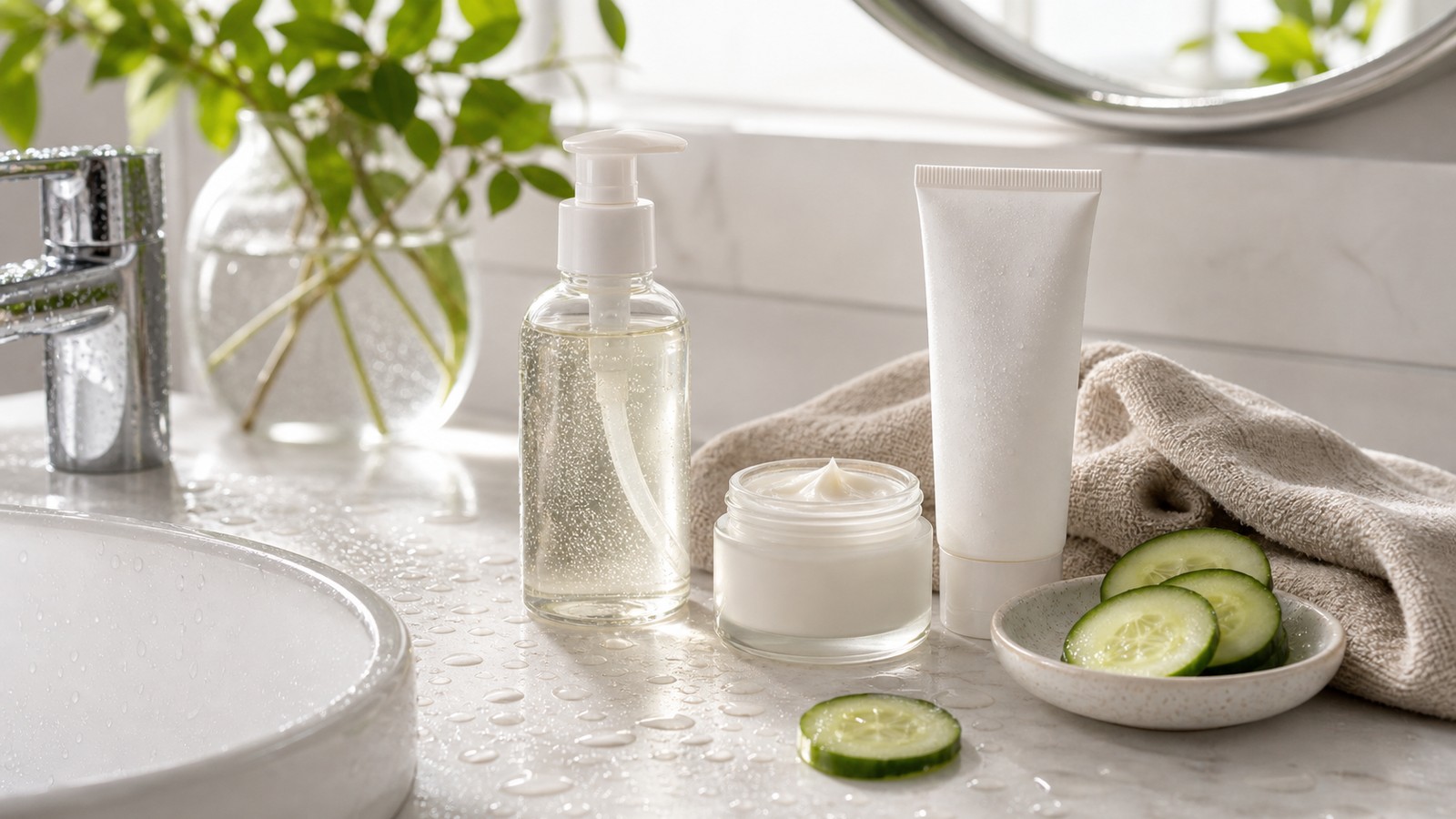
A radiant routine starts with cleansing that respects the barrier. The cleanser should remove sunscreen, sweat, and makeup without leaving skin squeaky or tight. Dry skin may prefer cream, milk, balm, or oil cleansers. Oily skin may prefer a soft gel. Sensitive skin often does best with fragrance-free formulas. The product type matters less than the way the skin feels after rinsing.
Over-cleansing is a common radiance mistake. Washing repeatedly, using hot water, or chasing a stripped feeling can make the skin look flat and irritated. If the face feels tight within minutes, the routine is probably taking away too much. A cleanser that feels boring and comfortable is often the better glow product.
Evening cleansing is especially important because sunscreen and pollution residue should not sit on the skin overnight. If one cleanser does not remove everything gently, a cleansing balm followed by a mild cleanser may work. The goal is clean skin that still feels like skin.
Hydrate and Seal the Barrier
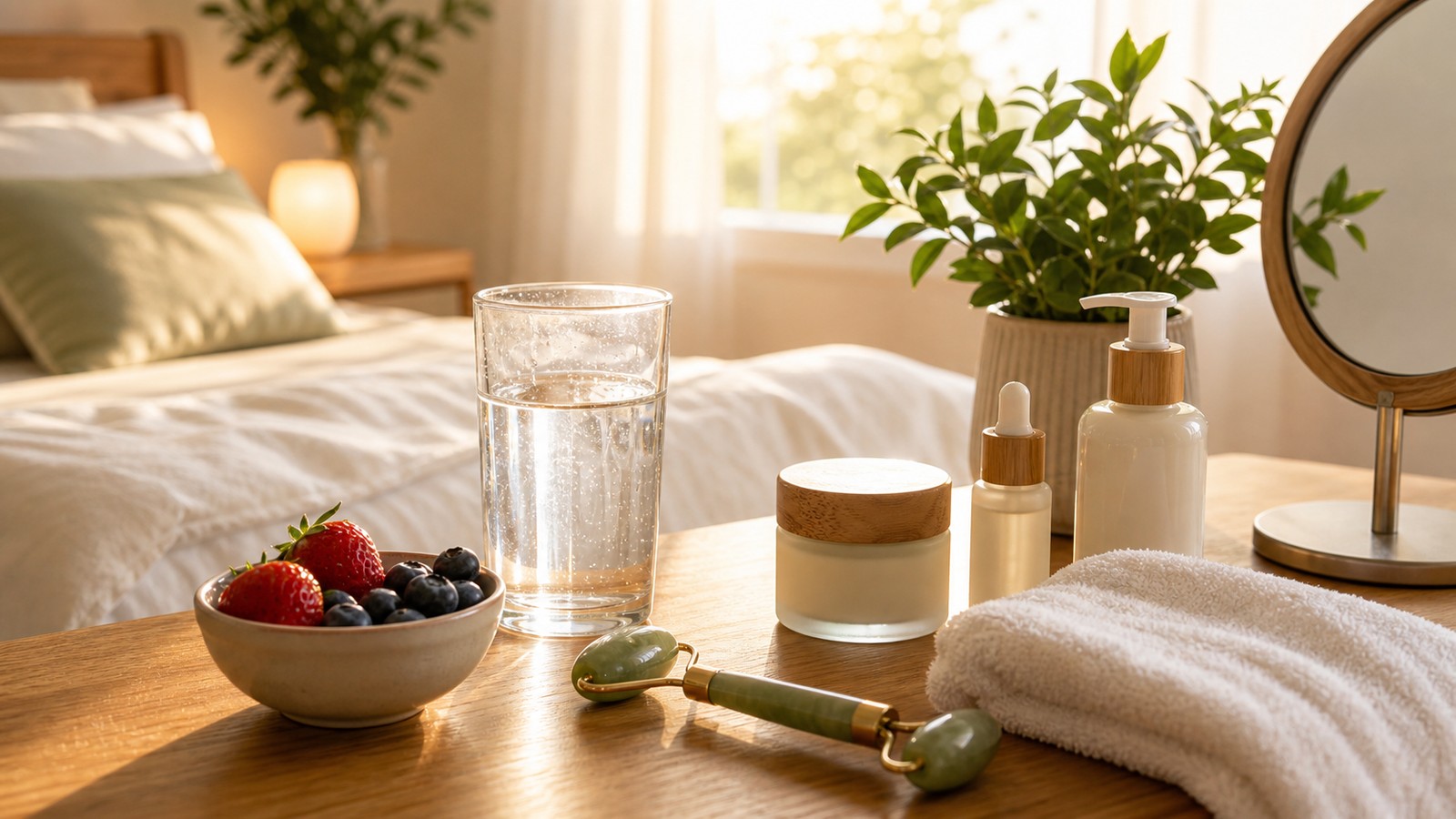
Hydration gives radiance its bounce. Humectants such as glycerin, aloe, hyaluronic acid, honey-derived ingredients, and certain plant extracts help the upper layers hold water. Moisturizers then reduce water loss with emollients and occlusives. Many people use a hydrating serum but skip the cream that would help keep the hydration in place. Radiance usually needs both water-binding and sealing support.
Apply moisturizer while the skin is slightly damp. This small habit can make a basic product perform better. If skin is dry, layer a richer cream or a few drops of facial oil over moisturizer at night. If skin is oily, choose a lighter gel cream but do not skip moisture entirely. Dehydrated oily skin can look shiny and dull at the same time.
Body hydration matters too, but drinking water alone will not fix a damaged barrier. Think inside and outside together. Drink enough fluids, eat water-rich foods, and use topical products that help skin retain moisture. Radiance improves when all three are working in the same direction.
Use Sunscreen as a Brightening Product
Sunscreen is one of the most important radiance steps because sun exposure drives uneven tone, redness, rough texture, and early visible aging. Brightening serums cannot outwork unprotected UV exposure. If you want skin to look naturally radiant, sunscreen needs to be a daily habit, not a beach-only product.
Choose a sunscreen that suits your real life. A mineral sunscreen may appeal to natural shoppers, while a lightweight hybrid may wear better under makeup. Tinted formulas can help even the look of tone immediately while protecting the skin. The best choice is the one you apply generously and reapply when needed.
Hats, sunglasses, and shade also count. Natural radiance is not about hiding from the sun; it is about respecting how much repeated exposure affects the skin. Protection keeps the progress from moisturizer, exfoliation, and brightening ingredients from being undone.
Exfoliate With Restraint
Gentle exfoliation can improve radiance by lifting dull surface cells, but too much exfoliation quickly becomes the enemy of glow. Enzyme masks, mild acids, soft washcloths, and low-strength exfoliating products can all help when used carefully. Scrubs with rough particles, daily peels, and stacking exfoliants are more likely to create irritation.
Start less often than you think. Once a week may be enough for beginners or sensitive skin. Resilient skin may tolerate more, but the skin should decide. If the face stings, flakes, shines tightly, or feels hot after products, exfoliation needs to pause. Recovery nights are part of a radiant routine.
Exfoliation also works better when hydration is already handled. Removing surface buildup from dehydrated skin can make flakes look worse. Moisturize consistently first, then use exfoliation as a polishing step rather than a rescue mission.
Eat and Sleep for Skin Energy
Radiant skin reflects overall energy. Sleep supports recovery and helps reduce the tired look that no serum can fully hide. Food supports the nutrients skin needs to maintain structure and repair. Protein, vitamin C-rich produce, colorful plants, healthy fats, and enough calories all matter. Under-eating can make the face look drained even if the skincare shelf is impressive.
Hydrating foods such as citrus, berries, cucumber, melon, soups, and leafy greens can support fluid intake, but they should be paired with protein and fats for staying power. A breakfast that includes protein and fruit may support both energy and skin better than coffee alone. Small daily choices accumulate.
Alcohol, very salty meals, and poor sleep can make some people look puffier or duller the next morning. This does not require perfection or shame. It simply means the skin responds to the body’s recent environment. Notice patterns and adjust with kindness.
Reduce Inflammation Triggers
Radiance fades when skin is constantly inflamed. Triggers vary: fragrance, over-exfoliation, acne picking, harsh cleansers, allergens, sun exposure, stress, or certain foods for some people. The goal is not to fear everything. The goal is to identify repeated patterns. If the same product or habit leads to redness every time, the skin is giving useful information.
Keep a simple routine during irritated weeks. Cleanse gently, moisturize, use sunscreen, and pause extras. Once the skin is calm, reintroduce products one at a time. This prevents the common cycle of trying to fix irritation with more products that create more irritation.
Stress management matters because stress can influence sleep, picking, breakouts, and inflammation. A walk, breath practice, earlier bedtime, or phone boundary will not replace dermatology care, but it can reduce the daily load on the skin. Natural radiance often appears when the body is less constantly provoked.
Let Glow Build Gradually
Natural radiance is built through repetition: gentle cleansing, moisturized skin, daily sunscreen, occasional exfoliation, steady meals, hydration, and sleep. The process is not instant, but it is dependable. Within days, skin may feel less tight. Within weeks, texture can look smoother. Uneven tone may take longer, especially if sun exposure or blemish marks are involved.
Do not judge progress only in dramatic before-and-after terms. Notice whether makeup sits better, whether flakes appear less often, whether your face feels calmer at the end of the day, and whether you need fewer emergency fixes. Those are signs that radiance is becoming a baseline rather than a special effect.
Match Natural Ingredients to the Radiance Problem
Different kinds of dullness need different support. If the face looks flat because it is dry, humectants and creams matter most. If texture feels rough, gentle exfoliation may help after the barrier is comfortable. If tone looks uneven, sunscreen and brightening support need time. If redness interrupts glow, calming and fragrance-free products may be the better path. Matching the product to the cause prevents overbuying.
Ingredients such as aloe, oat, glycerin, green tea, licorice root, jojoba, squalane, and vitamin C can all fit a natural-leaning radiance routine, but they do not belong in every step. Choose one or two supportive products and let them work. A cleanser, moisturizer, sunscreen, and one targeted treatment can be more effective than a crowded routine where no product gets a fair trial.
Use Makeup and Skincare Together
Natural radiance does not mean avoiding makeup. It means using makeup on top of skin that is cared for rather than depending on makeup to hide irritation. A moisturized barrier helps foundation or tinted sunscreen sit more smoothly. Cream blush, subtle highlighter, or a sheer tint can enhance glow while the skincare routine does the longer work underneath.
Remove makeup gently at night so cosmetic radiance does not become next-day dullness. A cleansing balm, micellar water followed by cleanser, or soft washcloth can help depending on skin type. The test is simple: makeup should come off without rubbing the face into redness. Radiant skin is protected at both ends of the day.
Stay Patient With Tone Changes
Uneven tone is often the slowest radiance concern. Post-blemish marks, sunspots, and discoloration may take months to soften. This is not a sign that the routine is failing. Pigment pathways are stubborn, and any new sun exposure can deepen the pattern. Sunscreen, shade, and consistency are what give brightening ingredients a chance.
If pigmentation is persistent, spreading, or melasma-like, professional guidance may help. Natural routines can support the barrier and reduce irritation, but some tone concerns need more targeted care. Asking for help is still part of a natural strategy when it prevents months of guessing.
Adjust Radiance Habits by Season
Radiant skin needs different support in different seasons. In winter, indoor heat and cold wind can make richer moisturizer and fewer exfoliating nights necessary. In summer, sweat, sunscreen, and humidity may require lighter layers and more consistent cleansing. The goal is not to own a different routine for every month, but to adjust texture and frequency when the environment changes.
Travel deserves the same flexibility. Airplanes, hotel air, different water, and disrupted sleep can make skin look dull quickly. Pack a gentle cleanser, dependable moisturizer, and sunscreen before adding extras. Radiance returns faster when the basics are familiar.
Notice the Signs of Real Radiance
Real radiance often shows up as steadiness before it shows up as brightness. Skin feels less tight after cleansing, makeup sits more smoothly, flakes appear less often, and redness settles faster after normal daily stress. These changes are worth noticing because they show the barrier is more comfortable.
Once the skin feels steady, glow becomes easier to enhance. A sheer tint, cream blush, or light-reflecting moisturizer can sit on top of healthy skin without hiding irritation. Natural radiance and cosmetic glow can work together when the routine underneath is calm.