How to Reduce Wrinkles Naturally Without Surgery
Reducing wrinkles naturally without surgery is less about erasing every line and more about improving the conditions that make lines look deeper than they need to. Sun exposure, dryness, barrier damage, poor sleep, smoking, stress, and repeated irritation can all make wrinkles appear more pronounced. A natural strategy focuses on protection, hydration, collagen-supportive habits, gentle actives, facial tension awareness, and realistic expectations. It will not copy the effect of a surgical procedure, but it can help skin look smoother, calmer, and more resilient over time.
A: Fine lines can often look softer, especially when dryness, sun exposure, and irritation are addressed.
A: No. It can improve skin quality, but it cannot copy surgical lifting.
A: Daily sunscreen is the most important prevention step.
A: They can soften dryness, but they do not replace sunscreen or proven actives.
A: It may be useful for some people who want gentler renewal support.
A: Hydration can help quickly; texture and tone changes usually need weeks to months.
A: Sleep can affect puffiness, dryness, tension, and recovery.
A: Gentle exfoliation may smooth texture, but overuse can make lines look worse.
A: Use sunscreen, moisturizer, and gentle actives on the neck carefully.
A: When the goal is dramatic change in deeper folds or laxity, professional options may be needed.
Understand What Can and Cannot Change
Wrinkles form for several reasons. Some come from repeated expression, some from collagen and elastin changes, some from sun damage, and some from dehydration that temporarily exaggerates the surface. Natural care can soften the appearance of fine lines, improve texture, reduce dryness, and slow preventable damage. It cannot remove every crease or lift deeper structural changes the way procedures might. That honesty makes the routine more effective because the right tools are chosen for the right goals.
Fine lines caused by dehydration often respond fastest. When the skin holds more water and the barrier is calmer, small lines can look less sharp within days or weeks. Deeper expression lines require longer-term support and may not disappear without professional treatment. Sun-related texture and pigment changes can improve gradually when protection becomes consistent.
Instead of asking whether a routine removes wrinkles, ask whether it makes the skin healthier. Does skin feel less tight? Does makeup settle less? Are flakes reduced? Is tone more even? Are new sunspots less frequent? These are meaningful signs that the natural approach is doing useful work.
Use Sunscreen as the Non-Surgical Foundation
Sunscreen is the strongest wrinkle-prevention step because UV exposure contributes to collagen breakdown, uneven tone, roughness, and fine lines. A natural anti-wrinkle routine without sunscreen is incomplete. Botanical oils and antioxidant serums can support the skin, but they do not replace broad-spectrum protection. Daily sunscreen keeps the routine from fighting the same damage repeatedly.
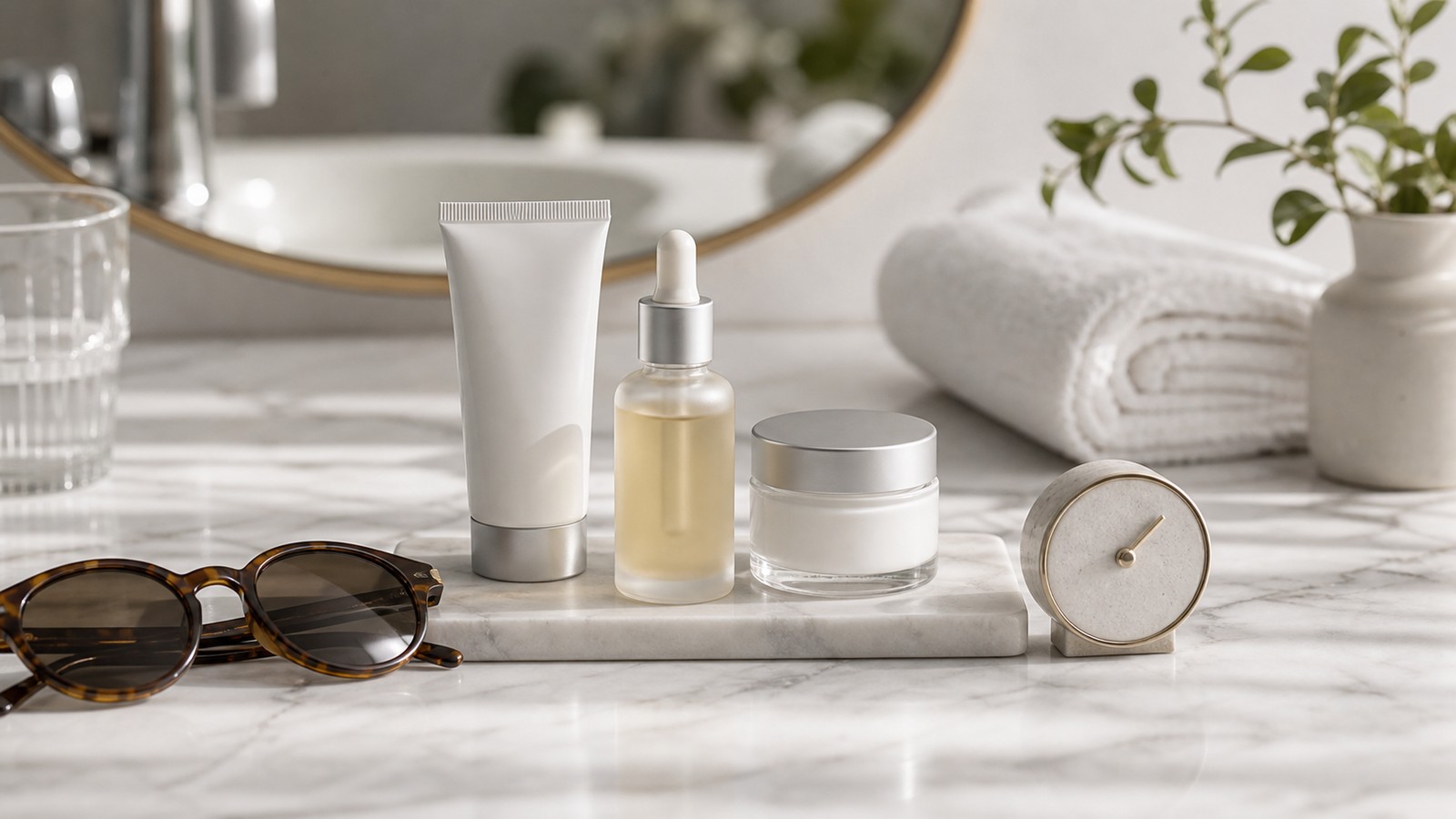
Choose a formula you will wear generously. Mineral sunscreens appeal to many natural shoppers, but the best option is the one that fits your skin tone, texture preference, and daily schedule. Tinted formulas can offer immediate tone-evening benefits while protecting the skin. Hats and sunglasses reduce squinting and protect the eye area during outdoor time.
Apply sunscreen to the neck, chest, and hands too. These areas often show lines and sun changes because they receive exposure but less skincare. A consistent extension of sunscreen and moisturizer beyond the face is one of the simplest non-surgical aging strategies.
Hydrate Lines From the Surface
Dry skin makes wrinkles look more visible. Hydrating ingredients such as glycerin, aloe, hyaluronic acid, panthenol, and honey-derived humectants help the upper layers hold water. Moisturizers with squalane, jojoba, shea, ceramides, oat, or petrolatum-style occlusives help reduce water loss. The combination of water-binding and sealing support is what makes fine lines look softer.
Apply moisturizer while skin is slightly damp after cleansing. If the skin still feels dry at night, layer a richer cream or a few drops of facial oil over moisturizer. Oils can soften, but they work best when they seal in hydration rather than trying to replace it. For very dry patches, a thin layer of balm can protect the area overnight.
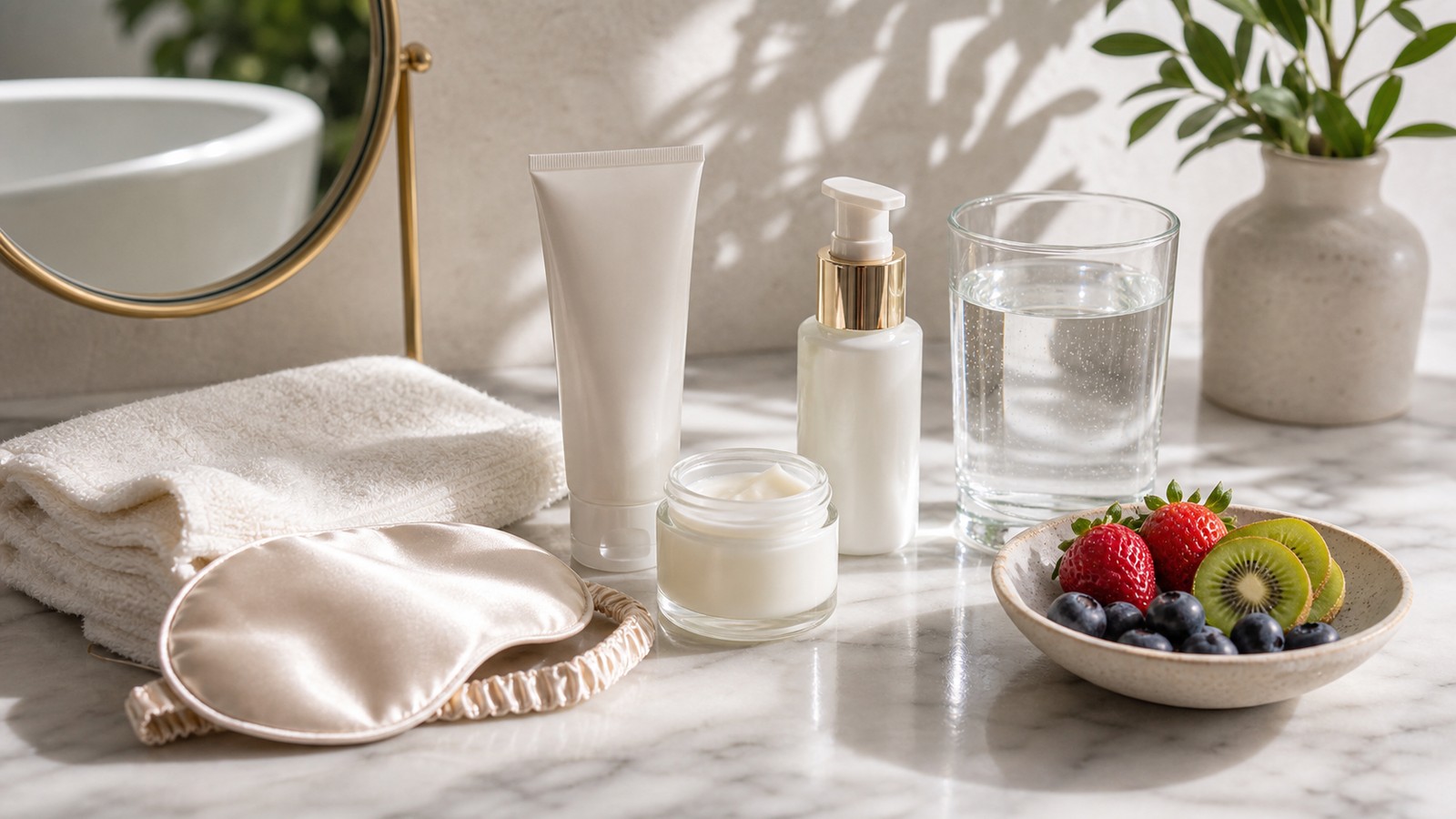
Hydration also depends on the body’s overall state. Drink enough fluids, eat water-rich foods, and avoid relying entirely on caffeine during busy days. Still, do not expect drinking more water to replace topical moisture. Wrinkle-softening hydration usually requires both internal support and barrier care.
Consider Gentle Renewal Ingredients
Retinoids have strong evidence for wrinkle appearance, but not everyone wants or tolerates them. If the goal is a more natural-leaning route, options such as bakuchiol, peptides, niacinamide, gentle acids, vitamin C, and antioxidant botanicals may support texture and tone. Their results vary, and they are usually subtler than prescription retinoids, but they can be useful when chosen carefully.
Bakuchiol is often positioned as a gentler retinol alternative. It may suit some people, but it still needs patch testing and patience. Peptides can support the look of firmness in some formulas. Niacinamide may help barrier, tone, and texture. Vitamin C can support brightness when the formula is stable. Gentle acids can smooth surface dullness, but overuse will make lines look worse by irritating the barrier.
Introduce only one renewal product at a time. Use it a few times per week at first, moisturize well, and watch the skin’s response. Natural does not mean irritation-proof. The best wrinkle routine is one the skin can tolerate for months.
Support Collagen Through Daily Habits
Collagen support is not only topical. Protein intake, vitamin C-rich foods, sleep, strength training, and not smoking all influence the body’s repair environment. Skin is part of the body, not a separate surface. If meals are inconsistent, sleep is short, and stress is high, the skin may look less resilient even with good products.
Protein helps provide amino acids needed for tissue maintenance. Vitamin C-rich foods such as citrus, berries, peppers, kiwi, and greens support collagen formation. Healthy fats support meals that feel satisfying and can help skin comfort. These habits do not act like fillers, but they create a better foundation for skin aging.
Smoking avoidance is one of the most important anti-wrinkle habits. Smoking contributes to oxidative stress, circulation changes, and repetitive mouth movements. Reducing or quitting is a health decision first, but it is also a skin decision. No natural serum can fully offset that damage.
Reduce Expression Tension Without Freezing Your Face
Expression lines are part of being human, but chronic tension can deepen the look of certain areas. Jaw clenching, brow furrowing, squinting, and tight facial posture can make the face look more strained. Awareness helps. Sunglasses can reduce squinting. Screen breaks can soften brow tension. Breathing exercises can release jaw tightness.
Facial massage can feel helpful when it is gentle. Use slip from oil or moisturizer, avoid dragging the skin, and focus on relaxation rather than aggressive sculpting. Pressing hard enough to create redness or bruising works against the goal. A few minutes of calming touch can help you notice tension patterns and slow down.
Do not try to stop expressions altogether. A face that smiles, thinks, laughs, and reacts will have lines. Natural wrinkle care is about supporting skin quality and reducing unnecessary stress, not eliminating evidence of a life lived.
Sleep and Recovery Matter
Sleep affects how wrinkles look because tired skin often appears duller, drier, and puffier. A consistent bedtime, lower evening light, and a simple night routine can improve the recovery environment. Sleeping on the same side every night may contribute to sleep lines for some people, so a smoother pillowcase or occasional position change may help.
Nighttime is also when a richer moisturizer can work without worrying about shine. Cleanse gently, apply a hydrating layer if used, seal with cream, and protect dry areas. If you use renewal actives, alternate them with recovery nights. The skin does not need stimulation every evening to age well.
Stress recovery belongs here too. Chronic stress can affect sleep, habits, inflammation, and facial tension. Short walks, breathing pauses, boundaries, and social connection are not cosmetic gimmicks. They support the human conditions that help skin look less depleted.
Build a Realistic Non-Surgical Plan
A simple plan could include sunscreen every morning, moisturizer twice daily, a gentle renewal product two or three nights per week, vitamin C-rich meals, enough protein, and a sleep routine that actually fits your life. Track results monthly, not daily. Fine lines may soften first, while deeper wrinkles change slowly or remain visible.
If deeper folds, sagging, or etched lines are the main concern, professional treatments may be the only way to create dramatic changes. There is nothing wrong with choosing or declining them. Natural care still matters either way because it protects and supports the skin you have. The best non-surgical routine is honest enough to know its limits and consistent enough to deliver its strengths.
Use Makeup and Texture Tricks Without Shame
Natural wrinkle care can include cosmetic support. A hydrating primer, light-reflecting moisturizer, sheer foundation, or cream blush can make lines look softer while the longer routine works underneath. Heavy matte makeup often settles into texture, especially when skin is dry. Lighter layers usually look more natural and flexible.
Application matters too. Press products gently instead of dragging them across dry areas. Let moisturizer settle before makeup. Use less powder where lines are most visible. These small choices do not treat wrinkles biologically, but they reduce the way texture is emphasized during the day.
Protect the Skin From Repeated Irritation
Repeated irritation can make wrinkles look harsher because the skin becomes dry, red, and uneven. Strong scrubs, frequent peels, harsh cleansers, and fragranced products may promise smoothness while creating inflammation. A natural routine should reduce that stress. The face does not need to be polished every night to age well.
If your skin is already irritated, pause renewal products and return to cleanser, moisturizer, and sunscreen. Once the skin feels steady, add actives slowly. The fastest-looking path is often slower in practice because a calm barrier makes every anti-aging step work better.
Use Makeup and Texture Tricks Without Shame
Natural wrinkle care can include cosmetic support. A hydrating primer, light-reflecting moisturizer, sheer foundation, or cream blush can make lines look softer while the longer routine works underneath. Heavy matte makeup often settles into texture, especially when skin is dry. Lighter layers usually look more natural and flexible.
Application matters too. Press products gently instead of dragging them across dry areas. Let moisturizer settle before makeup. Use less powder where lines are most visible. These small choices do not treat wrinkles biologically, but they reduce the way texture is emphasized during the day.
Protect the Skin From Repeated Irritation
Repeated irritation can make wrinkles look harsher because the skin becomes dry, red, and uneven. Strong scrubs, frequent peels, harsh cleansers, and fragranced products may promise smoothness while creating inflammation. A natural routine should reduce that stress. The face does not need to be polished every night to age well.
If your skin is already irritated, pause renewal products and return to cleanser, moisturizer, and sunscreen. Once the skin feels steady, add actives slowly. The fastest-looking path is often slower in practice because a calm barrier makes every anti-aging step work better.
Make the Routine Sustainable
A sustainable wrinkle routine is one you can follow during ordinary weeks. Sunscreen should be easy to apply. Moisturizer should feel good enough to use twice daily. Renewal products should be gentle enough that you do not quit after irritation. Food and sleep habits should support the body without becoming rigid rules.
Review the routine once a month. If lines look softer because dryness is better, keep going. If irritation is worse, simplify. If deeper wrinkles remain your main concern, consider whether professional options match your goals. Natural care is strongest when it is consistent, honest, and kind.
Small improvements count. Softer dryness, fewer tight patches, and steadier sunscreen habits are all signs that the non-surgical approach is supporting the skin in a way that can compound over time.