The Complete Guide to Massage Therapy: Benefits, Types, and What to Expect
Massage therapy uses skilled touch to work with muscles, fascia, circulation, relaxation, pain perception, and body awareness. A good session can feel calming, practical, and restorative, but massage is not one single treatment. The best type, pressure, timing, and frequency depend on your goal, health history, comfort level, and how your body responds afterward.
A: No. Productive pressure can feel intense, but sharp pain or bracing usually means the pressure is too much.
A: Start with one session and notice your response. Frequency depends on goals, budget, symptoms, and recovery.
A: Wear what feels comfortable. The therapist will explain undressing options and draping before the session.
A: It may help symptoms and movement comfort, but chronic pain often needs layered care and medical evaluation.
A: Not automatically. The best style is the one that matches your goal and leaves you functioning better afterward.
A: Yes. You can talk, stay quiet, ask questions, or give feedback about pressure and positioning.
A: That can happen. Rest, hydrate normally, and seek support if the feelings are intense or persistent.
A: Normal hydration is fine. Water does not flush out toxins from massage in the dramatic way some claims suggest.
A: Avoid it with fever, contagious illness, suspected clot, unexplained swelling, certain injuries, or medical restrictions.
A: Look for credentials, clear communication, consent, relevant experience, and a style that fits your goals.
What Massage Therapy Does
Massage therapy works through touch, pressure, rhythm, movement, and nervous system response. Depending on the style, a therapist may use gliding strokes, kneading, compression, friction, stretching, rocking, or very light directional touch. The goal may be relaxation, reduced muscle tension, improved comfort, better mobility, or recovery support.
Massage does not literally remove toxins in the dramatic way some wellness marketing claims. Its benefits are more grounded: it can influence pain perception, circulation in local tissues, muscle tone, stress physiology, and awareness of how the body is holding tension. Those effects can be meaningful even when they are not magical.
Common Benefits
Many people seek massage for neck tension, back tightness, sore legs, stress, headaches related to muscle tension, recovery after activity, or a general need to relax. Some research supports massage for short-term pain relief, anxiety reduction, and improved sense of well-being, though results depend on the person and condition.
The most realistic benefit is often temporary relief that creates an opening. If your shoulders relax after a session, you may sleep better, move more comfortably, or notice posture habits that need attention. Massage works best when it supports better daily choices rather than becoming the only strategy.
Swedish Massage
Swedish massage is usually the most beginner-friendly style. It uses long flowing strokes, kneading, gentle friction, and rhythmic movements that encourage relaxation. Pressure can vary, but the overall feel is often calming rather than highly targeted.
Choose Swedish massage if you are new, stressed, sensitive to pressure, or unsure what your body tolerates. It is also a good option when your main goal is nervous system downshifting rather than specific deep work.
Deep Tissue Massage
Deep tissue massage works with deeper layers of muscle and connective tissue. It may use slower strokes, sustained pressure, and focused work on areas that feel restricted. Despite the name, deep tissue should not be a contest of endurance. More pressure is not automatically more therapeutic.
This style may fit people with chronic muscle tension or specific areas that need attention. It should be adjusted for your pain tolerance, medical history, and recovery response. If you leave feeling bruised, guarded, or worse for days, the approach needs to change.
Sports and Recovery Massage
Sports massage is built around activity. It may focus on muscles used in training, preparation for an event, recovery afterward, or maintenance during a training cycle. The therapist may combine compression, stretching, mobility work, and targeted pressure.
You do not need to be an elite athlete to benefit from this style. People who run, lift, cycle, hike, dance, or work physically demanding jobs may appreciate a practical, function-focused session. Timing matters, though. Heavy deep work right before an event may leave some bodies sluggish or sore.
Prenatal and Specialized Massage
Prenatal massage uses positioning, bolsters, and technique modifications to support comfort during pregnancy. It should be performed by someone trained in pregnancy considerations. The therapist should ask about trimester, complications, comfort, and medical guidance.
Other specialized styles, such as lymphatic drainage, oncology massage, or post-surgical massage, require specific training. These are not simply lighter versions of regular massage. They involve different safety decisions and should be chosen carefully.
What Happens Before the Session
A professional session should begin with intake. The therapist may ask about pain areas, injuries, surgeries, medications, pregnancy, health conditions, pressure preferences, and goals. This conversation helps them avoid unsafe techniques and tailor the session.
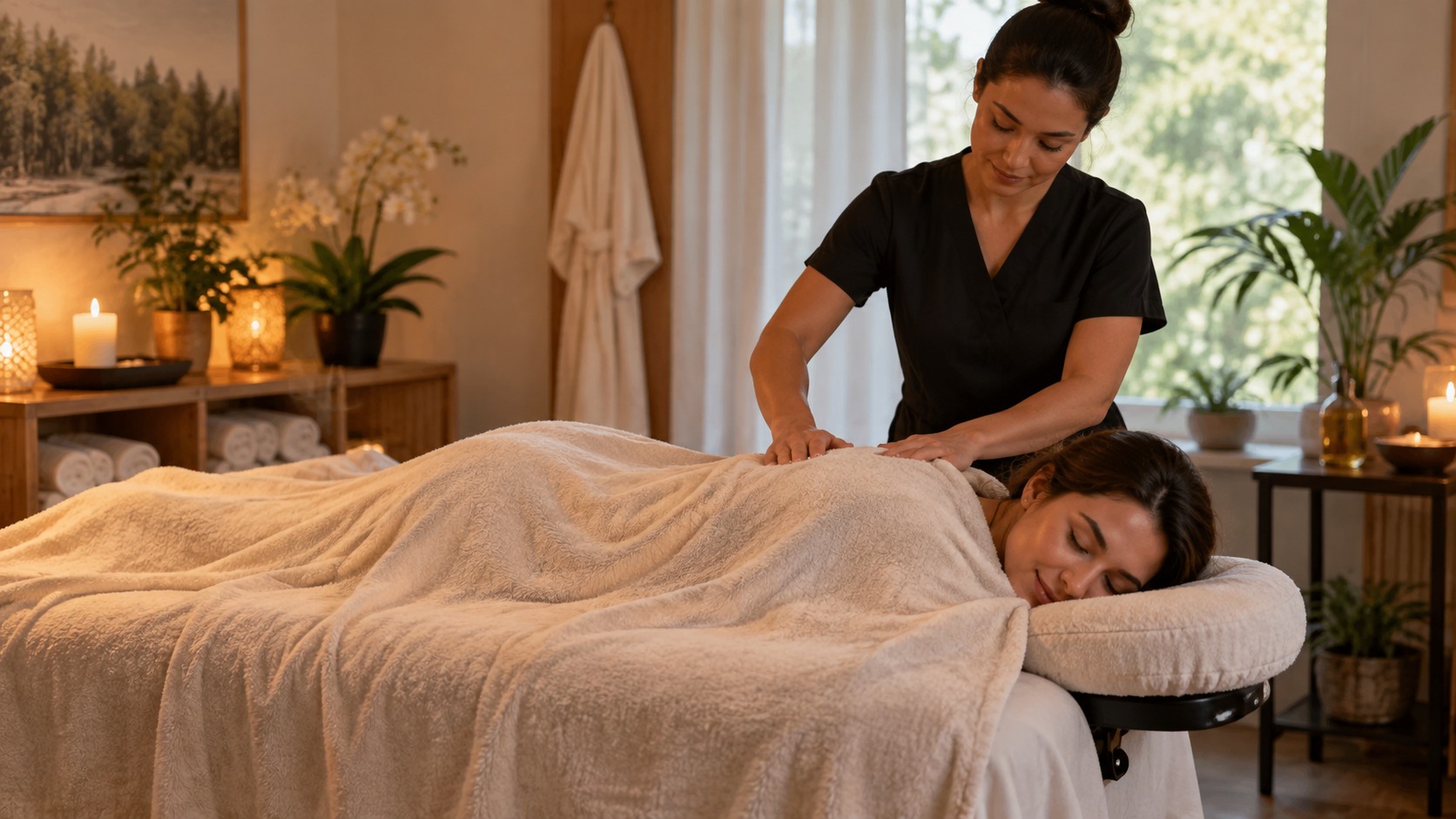
You should also hear how undressing and draping work. You can undress to your comfort level, remain partially clothed, or choose a style such as chair massage. During table massage, sheets or towels should cover you securely, with only the area being worked uncovered.
During the Massage
You are allowed to give feedback. If pressure is too strong, too light, too fast, or too focused in one spot, say so. Therapists are not mind readers, and good therapists welcome practical feedback. You can also ask to skip an area or change positioning.
Breathing may naturally slow as the session continues. Some people feel sleepy, emotional, chilly, warm, or deeply relaxed. Others need a few sessions before they can fully settle. There is no required performance. Your only job is to communicate enough to stay comfortable and safe.
After the Session
Afterward, you may feel relaxed, lighter, sore, or more aware of certain areas. Mild soreness can happen after focused work, especially if the tissue was already sensitive. Gentle movement, normal hydration, and a quiet transition can help you read the results.
Pay attention to the next day. Did movement feel easier? Did pain decrease, increase, or move? Did sleep change? Did you feel bruised or wiped out? These answers help you and the therapist adjust pressure, style, and frequency.
When Massage Is Not the Right Choice
Massage is not appropriate for every symptom. Avoid massage or get medical guidance first if you have fever, contagious illness, suspected blood clot, unexplained swelling, severe sudden pain, open wounds, active infection, uncontrolled medical conditions, or restrictions after surgery. Certain cancer histories, heart conditions, pregnancy complications, and medications also require careful screening.
Massage should not delay medical care. If symptoms are new, worsening, neurological, or unexplained, get evaluated. Bodywork can be supportive, but it is not a substitute for diagnosis.
How to Choose a Massage Therapist
Look for licensing where required, relevant training, clear boundaries, clean space, and communication that makes you feel respected. A strong therapist explains options, asks permission, adjusts pressure, and stays within scope. They do not promise to cure everything or pressure you into packages before understanding your needs.
Fit also matters. Some therapists are quiet and soothing; others are clinical and specific. Some specialize in athletes, pregnancy, chronic pain, relaxation, or lymphatic work. Choose based on your goal, not just availability.
How Often to Schedule Massage
Frequency depends on why you are going. A person using massage for occasional stress relief may book monthly or only during demanding seasons. Someone working through a specific tension pattern may try a short series, then reassess. Athletes or physically demanding workers may use massage around training or workload cycles.
More frequent massage is not automatically better. If you feel sore for days, dread the pressure, or need sessions constantly to function, the plan may need a different strategy. Strength work, ergonomic changes, medical evaluation, physical therapy, sleep, and stress support may address causes that massage alone cannot solve.
Pressure: More Is Not Always Better
Many beginners believe a massage has to be painful to count. That belief can make people stay quiet while their body braces against the work. Bracing is not relaxation, and it can make the nervous system treat the session as another stressor.
Useful pressure feels tolerable, specific, and responsive. You might breathe more slowly into it, feel tissue soften, or notice movement improve afterward. If you are holding your breath, clenching your jaw, or counting minutes until it ends, ask for less pressure. Feedback helps the therapist do better work.
Pairing Massage With Daily Habits
Massage can reveal patterns, but daily habits often decide whether tension returns quickly. If your neck relaxes during a session and tightens the next morning, look at pillow height, screen position, jaw clenching, hydration, breaks, and stress load. The massage gives information; the routine determines whether that information becomes useful.
Small changes can extend the benefit. A short walk after work, a standing break every hour, gentle mobility before bed, or a better desk setup may keep muscles from returning immediately to the same guarded position. Massage works best when it is part of a recovery ecosystem.
Emotional Safety and Consent
Because massage involves touch, emotional safety matters as much as technique. You should know what areas will be worked, how draping will happen, and that your preferences will be respected. A therapist should not make jokes, comments, or assumptions that leave you uncomfortable.
Consent is ongoing. You can change your mind about pressure, music, conversation, positioning, or a body area. This is especially important for people with trauma histories, body discomfort, or previous negative experiences. A professional session should help you feel more at home in your body, not less in control of it.
How Massage Fits With Exercise
Massage and exercise can support each other when timing is sensible. A relaxing session may help after a demanding week, while targeted work may fit into a recovery day. Before intense training or competition, lighter work is often safer than aggressive pressure that leaves tissue sore.
If you are using massage for recurring tightness, pair it with strength and mobility rather than relying on release alone. Muscles often tighten because they are tired, undertrained, overused, or guarding. Exercise addresses capacity; massage addresses comfort and awareness. Together, they can be more useful than either one alone.
What a Professional Boundary Looks Like
Professional massage has clear boundaries. The therapist explains the plan, leaves the room while you get on the table, uses secure draping, checks consent, avoids inappropriate comments, and keeps the focus on therapeutic goals. You should never have to guess whether something is normal.
If a boundary feels unclear, you can ask directly or end the session. Your comfort is not a small detail; it is central to effective bodywork. A trustworthy therapist will not punish, mock, or pressure you for protecting it.
How to Know It Was Worth It
A massage was worth it if it helped the goal you brought into the room. For relaxation, that may mean you slept better or felt less braced. For recovery, it may mean movement felt easier the next day. For pain, it may mean symptoms interfered less with ordinary activity.
Do not judge the session only by how dramatic it felt during the appointment. Some of the best bodywork feels quiet and leaves you with more ease afterward. If the benefits are brief but meaningful, decide whether the cost and timing still make sense. If there is no useful change, adjust the style or try a different form of care.
A simple note after each session can help. Record the style, pressure, areas worked, next-day soreness, sleep, and movement comfort. After two or three visits, patterns will be easier to see, and your therapist can adjust the work with better information. That turns massage from a nice appointment into a clearer recovery tool.
The Bottom Line
Massage therapy can be a valuable part of a wellness routine when expectations are realistic and safety is respected. It can help the body relax, reduce short-term tension, support recovery, and improve awareness of patterns that contribute to discomfort.
The best massage is not necessarily the deepest or most expensive. It is the session that matches your goal, respects your boundaries, and leaves you better able to move through ordinary life.