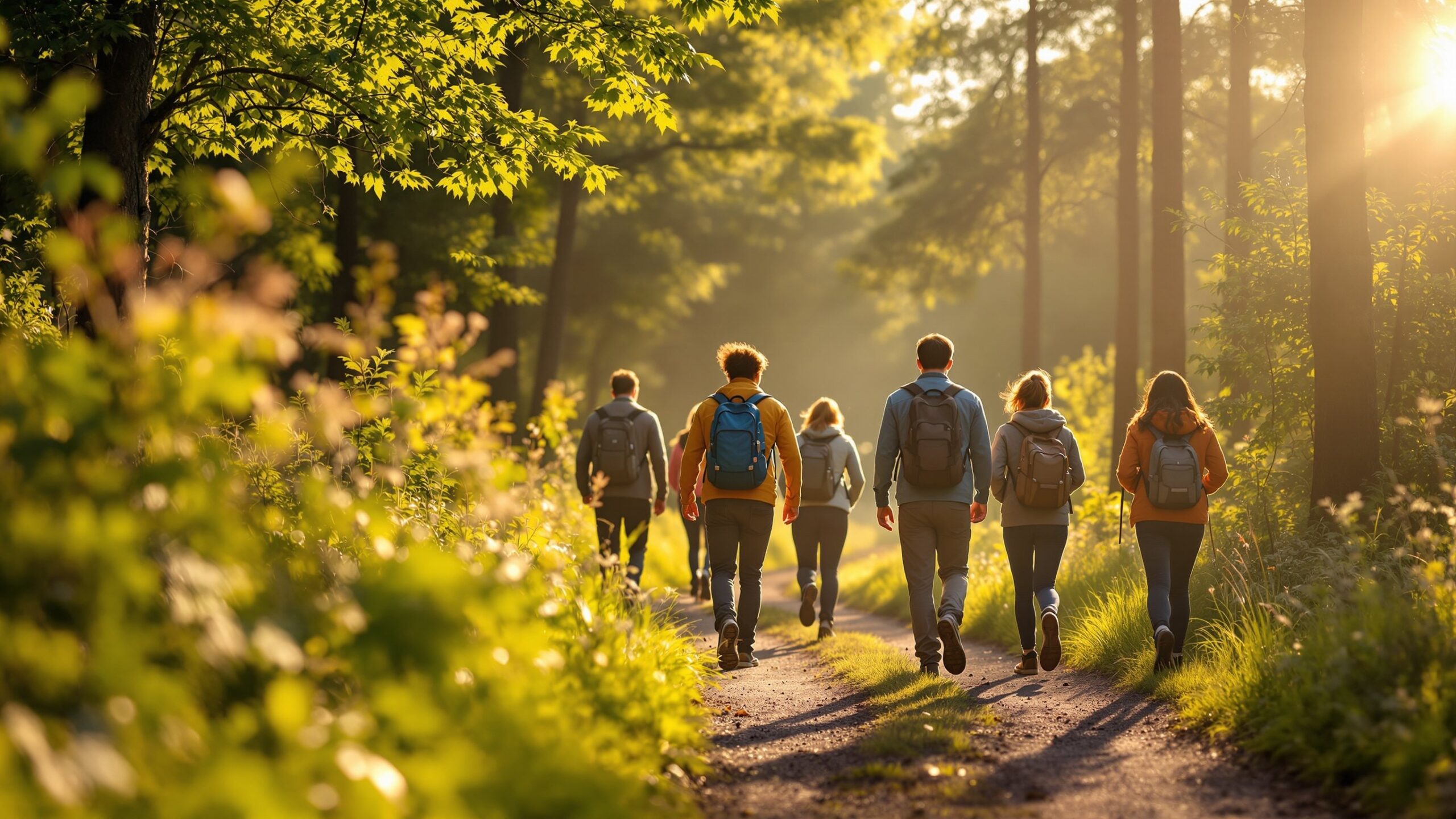
Outdoor exercise has quietly become one of the most powerful tools for improving mental health and reducing stress. While gyms, fitness apps, and structured workout programs continue to grow in popularity, more people are discovering that stepping outside offers benefits that go far beyond physical conditioning. The simple act of moving the body under open skies, surrounded by fresh air and natural scenery, can calm anxious thoughts, lift low moods, and restore emotional balance. Science increasingly supports what many have felt intuitively for years: outdoor movement is medicine for the mind. Modern life places enormous pressure on mental well-being. Constant notifications, long work hours, traffic, and social expectations keep the nervous system in a state of alert. Stress hormones remain elevated, sleep becomes shallow, and focus drifts. Indoor environments, while convenient, often intensify this mental fatigue. Outdoor exercise interrupts this cycle. It reconnects people with a slower, more rhythmic world, where breathing deepens and thoughts begin to settle. Understanding why this happens reveals just how valuable outdoor activity can be.
A: Many people feel better after 10–20 minutes, and the effect often grows with consistency.
A: No—easy to moderate movement is often enough to reduce stress and improve mood.
A: Start with a safe, familiar route at a quiet time, and build exposure gradually.
A: Both can help; walking is easier to sustain when you’re overwhelmed, running can feel energizing.
A: Whenever you’ll actually do it; morning light can help sleep/wake rhythm, evening can decompress the day.
A: Dress for it, shorten the session, or choose a sheltered route—consistency matters more than perfection.
A: Many people find “blue spaces” calming, but any pleasant outdoor setting can help.
A: Yes—use breath pacing, senses scanning, or a phone-free walk to deepen the effect.
A: Tell someone your route, stay visible, hydrate, and choose well-lit paths—especially at dawn/dusk.
The Science Behind Nature and the Human Brain
Human beings evolved in natural environments. For thousands of years, daily life involved walking across fields, climbing hills, gathering food, and interacting with landscapes filled with trees, rivers, and open horizons. The brain developed in close relationship with these surroundings. Modern urban living is relatively new, and many psychologists believe the mind still responds best to the conditions in which it was shaped.
Research shows that natural settings reduce activity in the amygdala, the part of the brain responsible for fear and stress responses. When a person walks through a park or along a beach, the nervous system receives signals that the environment is safe. Heart rate slows, blood pressure drops, and muscles release tension. This physiological shift happens even before the exercise itself begins to have an effect. Simply being outside prepares the body for emotional recovery.
Outdoor exercise also stimulates the release of endorphins and serotonin, chemicals linked to happiness and relaxation. While indoor workouts can trigger these responses as well, studies suggest the effect is stronger outdoors. The combination of sunlight, fresh air, and varied scenery creates a sensory experience that indoor spaces cannot replicate. Colors appear richer, sounds feel softer, and the mind becomes more present.
Stress Reduction Through Movement in Open Spaces
Stress often lives in the body as much as in the mind. Tight shoulders, shallow breathing, and restless legs are physical expressions of emotional pressure. Outdoor exercise directly addresses these symptoms. Walking on uneven trails, cycling along winding paths, or stretching in a quiet garden encourages natural, full-body movement. Muscles engage more dynamically than they do on flat indoor floors or treadmills. The rhythm of outdoor activity acts like a moving meditation. Each step, pedal stroke, or arm swing creates a gentle pattern that calms racing thoughts. Instead of staring at walls or screens, the eyes follow clouds, trees, and distant horizons. This visual openness signals the brain to release mental grip. Many people notice that problems which felt overwhelming indoors seem smaller and more manageable after time outside. Breathing also changes outdoors. Fresh air encourages deeper inhalations, increasing oxygen flow to the brain. Higher oxygen levels improve concentration and reduce the sense of panic that accompanies stress. Even light exercise such as a slow walk can lower cortisol, the body’s primary stress hormone. Regular outdoor routines gradually retrain the nervous system to recover faster from daily pressures.
Outdoor Exercise and Anxiety Relief
Anxiety thrives on repetition and confinement. When the body remains still and the environment stays the same, worried thoughts loop endlessly. Outdoor exercise breaks this cycle by introducing movement and novelty. Every outdoor setting offers new details: shifting weather, different scents, birdsong, or the crunch of leaves underfoot. These sensory changes pull attention away from internal fears and toward the present moment.
Physical activity outdoors also builds a sense of capability. Climbing a hill, finishing a trail, or simply walking farther than expected creates quiet confidence. This feeling counters the helplessness that often accompanies anxiety. The mind learns that challenges can be faced step by step, literally and emotionally.
Social anxiety can soften outdoors as well. Open spaces feel less intense than crowded rooms. People can exercise alongside others without the pressure of constant eye contact. Community walking groups, outdoor yoga classes, and park runs allow gentle social connection, which is known to protect mental health.
The Role of Sunlight in Emotional Balance
Sunlight plays a central role in how outdoor exercise improves mental health. Natural light regulates the body’s internal clock, or circadian rhythm. When sunlight touches the eyes, it signals the brain to produce serotonin, a neurotransmitter associated with positive mood. Later in the day, this process helps the body create melatonin, supporting restful sleep.
Poor sleep and low mood often feed each other. Outdoor exercise addresses both at once. Morning walks or jogs expose the body to bright light at the ideal time, improving energy during the day and promoting deeper sleep at night. Better sleep then strengthens resilience to stress, creating a healthy cycle.
Sunlight also assists in vitamin D production. Low vitamin D levels have been linked to depression and fatigue. While supplements can help, moderate sun exposure during outdoor activity provides a natural source. Combined with movement, this boost contributes to clearer thinking and steadier emotions.
Creativity and Mental Clarity in Natural Settings
Many people notice that their best ideas arrive while walking outside. Outdoor exercise encourages a mental state known as soft fascination. Instead of forcing concentration, the mind becomes gently engaged with the environment. This relaxed attention allows creative connections to form.
Office workers who take outdoor breaks often return with improved problem-solving skills. Writers overcome blocks, students remember information more easily, and professionals gain perspective on complex decisions. The brain benefits from the varied textures and patterns of nature, which stimulate areas linked to imagination and memory.
Unlike indoor workouts that focus solely on performance, outdoor exercise invites curiosity. A simple path can turn into exploration. This playful attitude lightens emotional burdens and reminds people that life includes more than responsibilities.
Building Consistent Outdoor Exercise Habits
Consistency matters more than intensity when it comes to mental health. Short, regular outdoor sessions provide greater benefits than occasional extreme workouts. A twenty-minute daily walk can gradually reshape mood, while sporadic long runs may leave the mind unchanged. Starting small removes pressure. Choosing enjoyable activities increases the chance of sticking with them. Some people prefer brisk walks through neighborhoods, others enjoy hiking trails, cycling, gardening, or outdoor stretching. The best exercise is the one that feels welcoming rather than punishing. Time of day also influences experience. Early mornings offer quiet and cool air, afternoons bring warmth and brightness, and evenings provide calming transitions after work. Rotating routes keeps the routine fresh. Even urban areas contain pockets of nature such as tree-lined streets, river paths, and small parks.
Outdoor Exercise for Depression Support
Depression often drains motivation and energy, making traditional workouts feel impossible. Outdoor exercise offers a gentler entry point. The goal is not to push hard but to reconnect with the body and the world. Simply stepping outside can be a meaningful first step.
Movement increases blood flow to the brain and encourages the growth of new neural connections. Over time, this can reduce symptoms of depression. Natural surroundings add an emotional layer of comfort. The changing seasons remind people that moods, like weather, are not permanent.
Many therapists now recommend green exercise as part of treatment plans. Combined with professional care, outdoor activity provides a safe, accessible way to support recovery. Unlike medications, it carries no side effects and strengthens overall health.
Family and Community Benefits
Outdoor exercise does more than help individuals; it strengthens relationships. Families who walk together talk more easily than when sitting indoors. Children who play outside develop better emotional regulation and confidence. Shared movement creates memories and traditions that protect mental health across generations.
Communities also benefit when people are active outdoors. Parks become meeting places, neighborhoods feel safer, and social bonds grow. These connections reduce loneliness, a major contributor to anxiety and depression. Outdoor fitness groups, charity walks, and local sports encourage a sense of belonging that screens cannot replace.
Overcoming Barriers to Getting Outside
Despite the benefits, many people struggle to exercise outdoors. Weather, time constraints, and self-consciousness can stand in the way. Reframing expectations helps. Outdoor activity does not require perfect conditions or expensive gear. A simple pair of comfortable shoes and a jacket is enough. Bad weather can even enhance the experience. Walking in light rain or crisp cold air awakens the senses and builds resilience. For busy schedules, short sessions count. Ten minutes during lunch or after dinner still calm the mind. Choosing familiar, safe routes reduces anxiety about starting. Technology can support rather than distract. Using apps to track steps or listen to calming music may motivate beginners, as long as screens do not replace awareness of surroundings.
Long-Term Mental Health Transformation
The true power of outdoor exercise appears over time. Weeks of regular movement reshape how the brain handles stress. People begin to respond rather than react. Small frustrations lose their intensity. Confidence grows quietly, supported by stronger bodies and calmer thoughts.
Outdoor routines often lead to other healthy choices. Those who walk regularly tend to drink more water, sleep better, and spend less time scrolling on devices. These changes compound, creating a lifestyle that protects mental health naturally.
Perhaps most importantly, outdoor exercise reminds people that well-being is not found only in achievements. It lives in simple experiences: sunlight on the face, steady footsteps, and the feeling of being part of a larger living world.
Embracing the Healing Power of the Outdoors
How outdoor exercise improves mental health and reduces stress is no longer a mystery. It works through biology, psychology, and emotion all at once. Fresh air calms the nervous system, movement releases uplifting chemicals, sunlight balances hormones, and nature restores perspective. Together these elements create a gentle yet profound form of therapy available to almost everyone. In a fast, demanding world, stepping outside to move may be one of the most radical acts of self-care. It requires no membership, no special talent, and no complicated plan. The path is always waiting beyond the door. Each walk, run, or stretch under the open sky becomes an investment in a calmer mind and a healthier life.