For most of human history, daily life unfolded beneath open skies. Our ancestors walked long distances, climbed uneven terrain, and adapted to changing seasons. Modern society, however, has shifted indoors, surrounding us with screens, chairs, and climate-controlled comfort. Yet the human body and mind remain wired for movement in natural environments. The science of movement reveals that outdoor activity is not simply exercise—it is a biological necessity that influences brain health, emotional balance, immunity, and longevity. Understanding why humans thrive outdoors can help us reclaim a more vibrant, resilient way of living.
A: Start with 10–20 minutes most days; consistency matters more than intensity.
A: It depends—hiking adds terrain variation and mental benefits; the best choice is the one you’ll do regularly.
A: Use layers and shorten the session—“some” outdoor time still counts and protects the habit.
A: Keep the pace easy, increase time slowly, and mix flat walks with gentle hills.
A: Use the talk test—if you can speak in sentences, you’re in a sustainable zone.
A: Not much: comfortable shoes, weather-appropriate layers, and water are enough to begin.
A: Morning light is great for energy and sleep rhythm, but the best time is the time you can repeat.
A: Often yes—movement plus nature exposure can reduce stress and improve mood for many people.
A: Add hills, short brisk intervals, or carry a light pack—progress gradually.
A: Start on flatter, softer paths, keep steps shorter, and consider poles; if pain persists, consult a clinician.
Evolution Shaped Us to Move
The human skeleton, muscles, and nervous system evolved for constant, varied motion. Early humans hunted, gathered, built shelters, and explored wide landscapes. These activities required balance, coordination, strength, and endurance. Unlike modern workouts that isolate specific muscles, natural movement involved whole-body patterns—walking, squatting, carrying, throwing, and climbing. Research in evolutionary biology shows that our cardiovascular system, joint structure, and even our foot arches developed to handle miles of daily walking on uneven ground. When movement disappears from our routine, the body interprets it as a threat to survival, leading to stiffness, metabolic decline, and chronic disease. Outdoor environments naturally invite the kind of diverse motion that our genes expect.
Sunlight, Fresh Air, and the Biology of Well-Being
Outdoor movement offers more than physical exertion; it delivers essential environmental inputs. Sunlight triggers vitamin D production, which supports bone strength, immune regulation, and mood stability. Natural light also synchronizes the circadian rhythm, helping the brain release melatonin at night and maintain alertness during the day. Fresh air exposes us to a complex blend of oxygen levels, humidity, and natural aerosols that stimulate respiratory health. Studies show that people who spend time outside have lower blood pressure, improved lung capacity, and stronger immune responses. The simple act of walking through a park can reduce cortisol—the body’s main stress hormone—within minutes.
The Brain on Nature
Neuroscience provides powerful evidence that the human brain thrives outdoors. Natural settings engage what researchers call “soft fascination,” a gentle form of attention that allows the mind to rest while remaining alert. This contrasts with the intense, fragmented focus demanded by digital devices. Brain imaging studies reveal that time in green spaces calms the amygdala, the region associated with fear and anxiety, while strengthening neural pathways related to creativity and problem solving. Outdoor movement increases blood flow to the hippocampus, a structure crucial for memory formation. Children who play outside demonstrate better concentration and emotional regulation, while adults report clearer thinking and improved decision-making after nature exposure.
Movement as Medicine
Medical science increasingly recognizes movement as one of the most potent forms of prevention and treatment. Walking outdoors after meals helps regulate blood sugar and improves insulin sensitivity, reducing the risk of type 2 diabetes. Weight-bearing activity strengthens bones and slows the progression of osteoporosis. For heart health, moderate outdoor exercise lowers resting heart rate, improves cholesterol balance, and enhances circulation. Even joint pain responds to natural motion; gentle hiking or gardening lubricates cartilage and maintains range of motion. Unlike synthetic workouts that can feel like chores, outdoor movement blends exercise with exploration, making healthy habits easier to sustain.
Emotional Resilience in Open Spaces
Humans are emotional creatures, and the outdoors acts as a powerful mood regulator. Psychologists have found that natural scenery reduces rumination—the repetitive negative thinking linked to depression. The rhythmic patterns of walking, cycling, or swimming outdoors create a meditative effect that calms the nervous system. Exposure to wide horizons gives the brain a sense of perspective, softening everyday worries. Communities that prioritize parks and trails report lower rates of anxiety and stronger social connections. Simply greeting neighbors on a walking path can counteract the isolation that often accompanies modern urban life.
Microbial Allies Beneath Our Feet
A surprising branch of science, known as the microbiome, explains another reason humans thrive outside. Soil, plants, and natural water contain beneficial microorganisms that interact with our skin and gut bacteria. These invisible allies train the immune system to distinguish between harmless and harmful invaders. Children raised with access to gardens and forests show lower rates of allergies and autoimmune disorders. Outdoor movement increases this exposure, while indoor lifestyles limit it. Even touching tree bark or breathing forest air can diversify the microbial ecosystem that supports digestion, immunity, and mental health.
The Sensory Symphony of the Outdoors
Indoor environments dull the senses with uniform lighting, flat floors, and predictable temperatures. Nature, by contrast, offers a rich sensory symphony. Uneven trails challenge balance and strengthen stabilizing muscles. Varied colors and textures stimulate visual processing. Birdsongs and rustling leaves activate auditory pathways linked to relaxation. These sensory inputs keep the nervous system flexible and responsive. Occupational therapists use outdoor tasks to help patients recover from injury because natural settings encourage instinctive, playful movement that clinics cannot replicate.
Social Bonds and Shared Motion
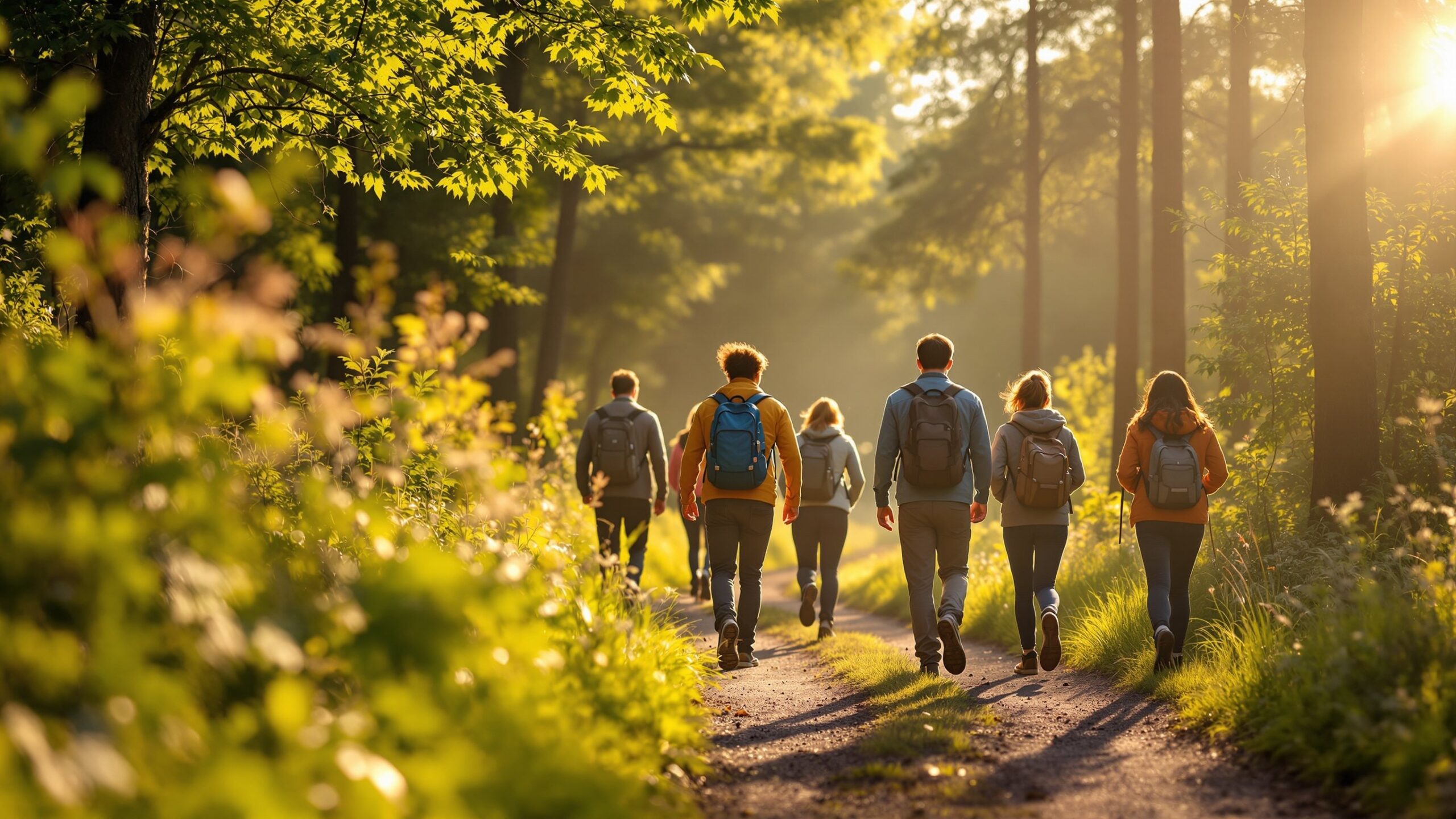
Movement outdoors often becomes a social experience. Families hike together, friends meet for weekend bike rides, and communities gather in public squares. Human beings are wired for cooperative activity; for thousands of years survival depended on moving as groups. Modern research shows that exercising with others outdoors increases motivation and adherence more than indoor gym routines. Shared challenges—climbing a hill or finishing a long walk—release oxytocin, the hormone associated with trust and connection. These bonds reinforce mental health and create a sense of belonging that no screen can replace.
The Urban Challenge
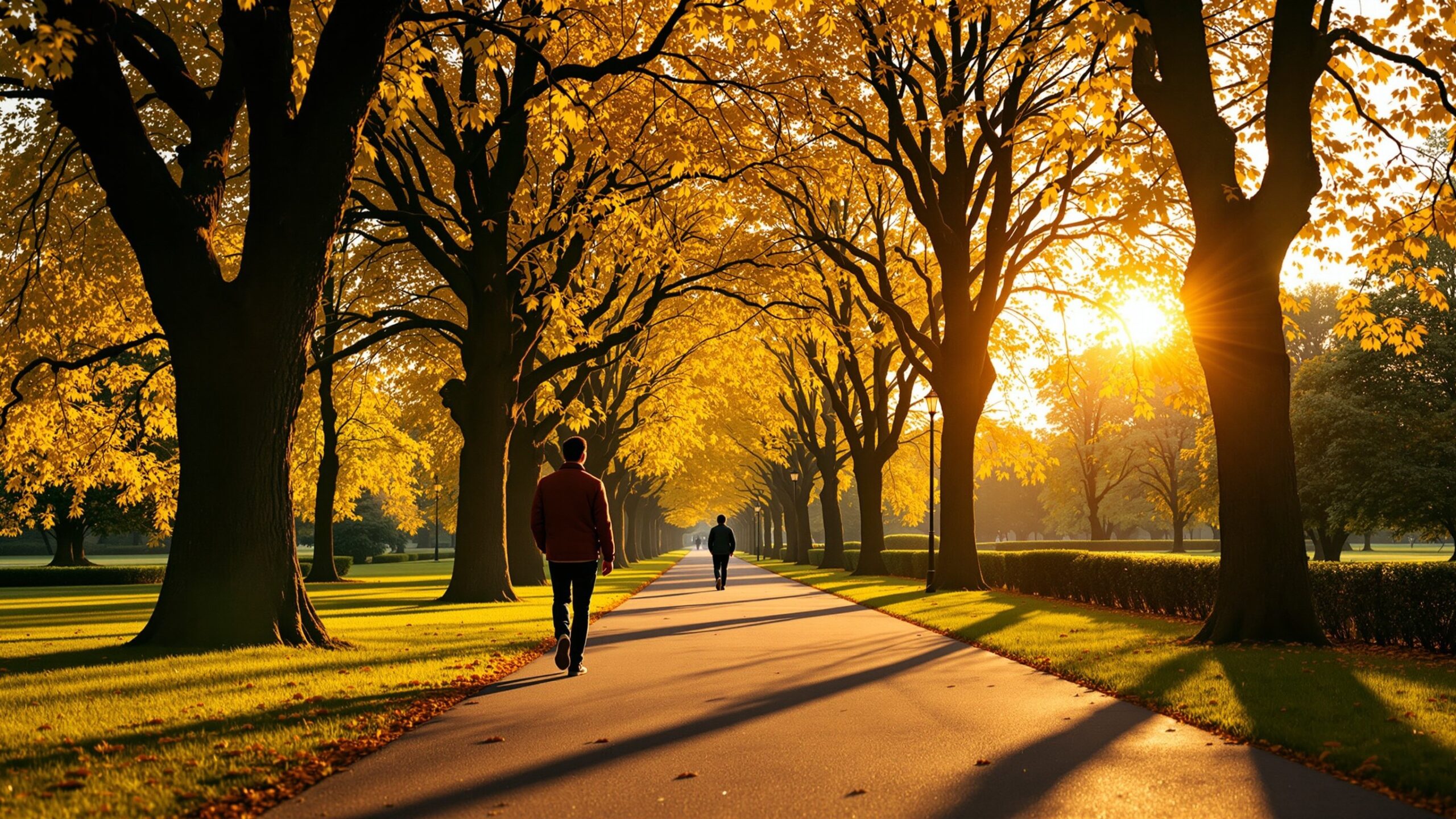
Despite the clear benefits, many people live in environments that discourage outdoor activity. Long work hours, car-centered cities, and safety concerns keep millions indoors. Yet small design changes can restore movement to daily life. Tree-lined sidewalks, accessible parks, and protected bike lanes invite spontaneous exercise. Schools that schedule outdoor recess see improvements in behavior and academic performance. Employers that encourage walking meetings report higher creativity among staff. The science suggests that thriving outdoors does not require wilderness; even a neighborhood garden can become a healing landscape.
Technology and the Return to Nature
Ironically, technology that once pulled us inside can now guide us back out. Fitness trackers remind users to move, mapping apps reveal hidden trails, and online communities organize group adventures. The key is using technology as a bridge rather than a cage. Experts recommend balancing screen time with “green time,” allowing digital tools to support real-world exploration. When smartphones become compasses for discovery instead of distractions, they help modern humans reconnect with ancient instincts.
Practical Pathways to Outdoor Vitality
Reaping the benefits of outdoor movement does not demand extreme fitness. Simple habits create powerful change. Morning walks expose the eyes to natural light that sets the body clock. Gardening combines gentle strength training with mindfulness. Weekend hikes build endurance without the monotony of treadmills. Even standing on grass barefoot—a practice called grounding—may influence inflammation and sleep quality. The goal is consistency rather than intensity, allowing the body to adapt gradually to natural rhythms.
A Lifelong Relationship with the Outdoors
From childhood play to elder strolls, outdoor movement supports every stage of life. Pediatricians emphasize free outdoor play for developing motor skills and imagination. For adults, active commuting and recreational sports maintain cardiovascular health. In older age, regular walks preserve independence and cognitive function. Centenarian studies consistently show that long-lived populations spend significant time outside, engaged in purposeful, moderate activity. The outdoors becomes not a destination but a lifelong companion.
Reclaiming Our Natural Design
The science of movement makes one truth clear: humans were designed for the open world. Our muscles crave varied terrain, our brains relax in green light, and our immune systems strengthen through contact with soil and sun. Modern life may tempt us indoors, yet every step outside reconnects us with a heritage millions of years old. By choosing to walk beneath trees, breathe fresh air, and move with the landscape, we honor the biology that shaped us. Thriving outdoors is not a luxury—it is a return to who we have always been.